Winter Branch: A Designer’s Review for Real Projects
As an embroidery designer who has spent countless hours digitizing and stitching out thousands of motifs, I approach every new machine embroidery design with a critical eye. It is not enough for a pattern to look pretty on a screen; it must hold up under the needle, survive the wash cycle, and elevate the final product. Recently, I evaluated Winter Branch, a design that promises to bring winter vibes to various fabrics. After putting it through its paces on several test pieces, I am ready to share my practical insights for fellow crafters, Etsy sellers, and boutique owners.
First Impressions and Visual Mood
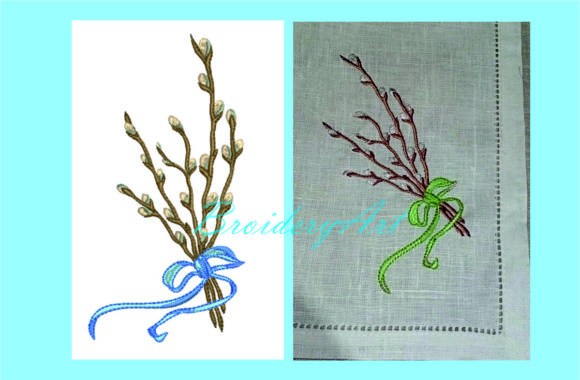
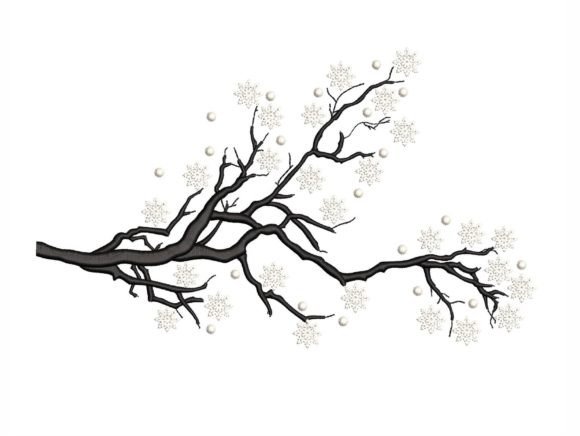
The first thing that strikes you about Winter Branch is its whimsical, frosty aesthetic. Unlike rigid, geometric holiday patterns, this design captures the organic, delicate nature of a tree in deep winter. The layout feels balanced, avoiding the heavy, blocky appearance that often plagues seasonal motifs. For a designer, this visual personality is crucial. It suggests softness and nostalgia, making it an ideal candidate for projects that aim to evoke comfort and warmth.
The detail level is sophisticated without being overly dense. This is a significant advantage. Many winter-themed designs rely on excessive fill stitch areas to create the illusion of snow or bark texture, which can lead to puckering and stiffness. Winter Branch appears to utilize a smarter combination of stitch types, likely leveraging satin stitch for defined edges and running stitch for finer details. This approach ensures the design remains flexible and breathable, a key consideration for wearable items.
Real-World Application: The Custom Tote Bag Test
To truly understand how this design performs, I applied it to a real-life scenario: creating a custom embroidered tote bag for a local farmer’s market vendor. The goal was to create a handmade product that felt artisanal yet durable. I chose a natural canvas fabric, which provides a neutral backdrop that allows the thread colors to pop.
Stitching out Winter Branch on the tote was a smooth experience. The design’s structure held well against the textured weave of the canvas. Because the motif is essentially a tree branch, it offers a vertical orientation that works beautifully on the side panel of a bag or centered on the front. The result was a chic, understated look that appealed to customers looking for subtle holiday branding rather than loud, festive graphics. This confirms that the design is versatile enough for commercial embroidery projects where brand consistency and professionalism are paramount.
Apparel and Personalized Gifts
Beyond home goods, I tested the design on a cotton sweatshirt. Sweatshirt embroidery requires careful attention to stitch density. If a design is too dense, it creates a hard patch that feels uncomfortable against the skin and can distort the garment. Winter Branch performed admirably here. The open spaces within the branch structure allowed the fabric to breathe, preventing the "cardboard effect" often seen with poor-quality digital files.
This makes it an excellent choice for custom apparel and personalized gifts. Imagine monogramming the initial of the recipient beneath the branch, or using it as a chest pocket accent on a flannel shirt. The whimsical nature of the tree fits perfectly with the current trend of cottagecore and rustic aesthetics, appealing to a wide demographic of buyers on platforms like Etsy.
Fabric Considerations and Technical Challenges
While Winter Branch is versatile, it is not without its limitations. As with any embroidery file, context is everything. I would advise caution when using this design on very thin or stretchy fabrics without proper stabilization. The intricate tips of the branches require a stable foundation to maintain their shape. Using a cut-away stabilizer is recommended for knits, while a tear-away might suffice for woven cottons.
Another consideration is hoop size. Although the exact dimensions are not specified in the brief description, the complexity of the branch suggests it needs adequate space to breathe. Crowding this design into a small hoop could compromise the clarity of the smaller twigs. Always check the specific file specifications before purchasing to ensure it fits your intended project, whether it is a large pillow cover or a small embroidered patch.
Dark fabrics present another challenge. The "frosty" look relies heavily on contrast. If you are stitching on navy or black fabric, you must carefully select your thread colors. White or silver threads will provide the necessary pop, but you may need to adjust the underlay stitches to prevent the dark fabric from showing through the lighter top stitches. Testing on scrap fabric is non-negotiable in these cases.
Enhancing Product Value and Brand Appeal
For small business owners, the choice of design directly impacts perceived value. Winter Branch offers a level of sophistication that can elevate a simple item into a boutique-worthy piece. When used in holiday embroidery collections, it stands out because it avoids cliché imagery like snowmen or Santa Claus. Instead, it offers a timeless, elegant representation of winter.
This subtlety builds customer trust. Buyers of handmade goods are increasingly discerning; they recognize quality stitching and thoughtful design. By using a well-digitized motif like this, you signal professionalism. It also enhances the "giftability" of your products. A tea towel or apron featuring this design feels like a curated gift rather than a mass-produced item, encouraging higher price points and better profit margins for your craft business.
Practical Designer Notes for Best Results
To get the most out of Winter Branch, follow these practical steps:
- Test on Scrap Fabric: Always stitch a sample on the same material you plan to use for the final product. This helps you identify any tension issues or registration errors.
- Check Thread Contrast: Ensure your thread colors complement the fabric. For a frosty look, cool tones like icy blues, silvers, and whites work best.
- Review Stitch Density: If the design feels too stiff, consider reducing the density slightly in your editing software, if you have the skills, or choose a lighter weight fabric.
- Confirm Hoop Size: Verify that the design fits comfortably within your hoop, leaving enough margin for proper clamping.
- Inspect Small Details: Zoom in on the digitized file to check for jump stitches or unnecessary trims that could affect production speed.
- Use Proper Stabilizer: Match your stabilizer to your fabric type. Knits need cut-away; wovens can often use tear-away.
- Verify Licensing: Before selling finished items or using the design in commercial products, confirm the license terms provided with the digital embroidery file.
Final Verdict
Winter Branch is a strong addition to any designer’s library. It balances aesthetic appeal with technical practicality, making it suitable for a wide range of applications from baby embroidery on onesies to sophisticated tote bag design for retail. Its ability to create a whimsical, frosty look without overwhelming the fabric makes it a reliable choice for both hobbyists and professional small shop product lines.
For those looking to expand their winter collection with something beyond the ordinary, this design delivers. It invites creativity, allowing you to experiment with placement and color while maintaining a high standard of finish. Just remember to respect the technical requirements of the fabric and hoop size, and you will find that Winter Branch becomes a staple in your seasonal offerings.