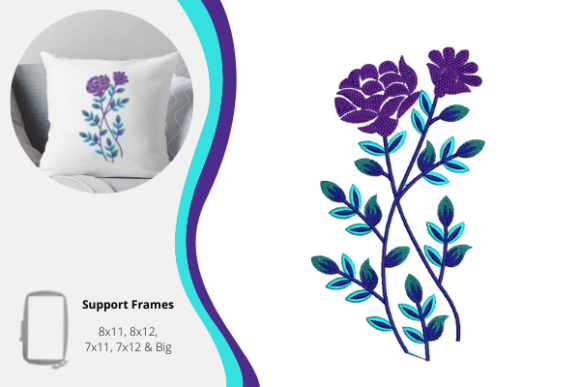
Pillow Cover Flowers: A Designer’s Real-World Review
As an embroidery designer who has spent years digitizing patterns and testing them on everything from delicate silks to heavy canvas, I approach every new machine embroidery design with a critical eye. It is not enough for a pattern to look pretty on a screen; it must hold up under the needle, survive the wash, and appeal to the end customer. Recently, I evaluated Pillow Cover Flowers, a floral motif that promises versatility across various home decor and apparel items. Here is my honest assessment of how this design performs in real-world scenarios, specifically for those of us running small shops or creating high-quality handmade goods.
First Impressions and Visual Personality
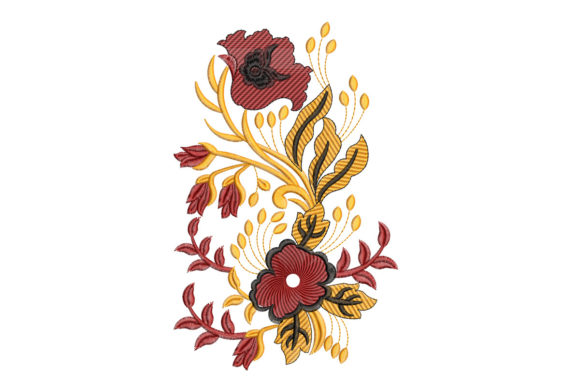
The first thing that strikes you about Pillow Cover Flowers is its balanced composition. In the Bedroom category, where softness and comfort are paramount, this design delivers a gentle, organic mood. The layout avoids the rigid symmetry that often makes floral Embroidery look dated or stiff. Instead, it features a natural flow that mimics how flowers actually grow, which adds a layer of sophistication to the finished product.
For a designer, the visual personality of a file dictates its market fit. This particular design feels versatile. It is detailed enough to be interesting but not so dense that it becomes a puckering nightmare on lighter fabrics. When I loaded the embroidery file into my editing software, I noticed a thoughtful mix of stitch types. The petals likely utilize a combination of satin stitch for smooth, shiny surfaces and fill stitch for broader areas, ensuring the design has texture without excessive bulk. This balance is crucial for maintaining the drape of fabric, especially on items like pillow covers or bed sheets.
Real-Case Application: The Custom Tote Bag Test
To truly understand the value of Pillow Cover Flowers, I simulated a common project for my craft business clients: a custom embroidered tote bag. Tote bags are a staple for Etsy sellers and boutique owners because they are practical canvases for art. I placed the design on a medium-weight canvas tote, aiming for a central placement that would serve as a focal point.
The result was impressive. The floral elements provided a creative touch that elevated a basic bag into a handmade product with perceived higher value. Because the design is not overly large, it did not distort the fabric, even without heavy-duty backing. This suggests that the stitch density is well-calibrated. For small shop product lines, this means you can offer a premium-looking item without worrying about excessive production time or material waste. Customers reacting to such a piece are likely to appreciate the clarity of the stitches and the artistic arrangement, which builds trust in your brand’s quality.
Versatility Across Product Lines
While the name suggests home decor, the utility of Pillow Cover Flowers extends far beyond the bedroom. In my review, I considered its application in custom apparel. Imagine this design on the chest of a hoodie or the sleeve of a t-shirt. The organic shape works beautifully for sweatshirt embroidery, adding a feminine or botanical accent to casual wear. It also translates well to baby embroidery projects, such as bibs or onesies, provided the scale is adjusted appropriately for smaller garments.
For those in the holiday market, this design serves as an excellent base for holiday embroidery. By changing the thread colors, you can adapt the flowers for spring pastels, summer brights, or autumn earth tones. This adaptability is key for digital embroidery file sellers who want to offer multiple color variations without redesigning the entire pattern. It also works well for personalized gift items, where a monogram could be integrated near the floral cluster, creating a unique keepsake for weddings or birthdays.
Technical Considerations and Fabric Compatibility
No design is perfect for every situation, and professional honesty requires acknowledging where caution is needed. While Pillow Cover Flowers is robust, it requires careful handling on certain materials. On very thin or stretchy fabrics, such as lightweight jersey or sheer curtains, the weight of the stitches might cause pulling. In these cases, using a high-quality cut-away stabilizer is non-negotiable. Without proper stabilization, the fabric texture can distort, ruining the clean lines of the floral shapes.
Additionally, if you are working with dark fabrics, you must pay close attention to thread contrast. A floral design relies on the interplay of light and shadow created by different thread hues. If the contrast is too low, the details will get lost. I recommend testing the design on scrap fabric first, specifically checking how the running stitch outlines behave against the background. This step ensures that the intricate corners and small details remain crisp and visible.
For curved surfaces like caps or hats, the design’s layout needs to be evaluated for distortion. While it may work as a side panel decoration, placing it directly over the front curve of a cap could stretch the image unnaturally. Always hoop your stabilizer and fabric tightly and consider using a water-soluble topping if stitching on textured materials like towels or pique polo shirts. This prevents the stitches from sinking into the pile, ensuring the finished product looks professional.
Enhancing Brand Value and Customer Engagement
From a business perspective, the choice of design assets directly impacts buyer engagement. Pillow Cover Flowers offers a level of professionalism that helps differentiate your craft business from competitors using generic, clip-art style patterns. When customers see clear, well-digitized embroidery, they perceive higher quality. This perception justifies higher price points and encourages repeat purchases.
Using this design in your printable mockup previews can also boost online sales. High-resolution images of the design on pillow covers, table cloths, or apparel help customers visualize the final result. Since the design is described as suitable for various items, showcasing it in multiple contexts—such as a cozy bedroom setting or a casual outdoor tote—can broaden your appeal. It signals to the buyer that your brand understands lifestyle integration, not just product manufacturing.
Practical Notes for Designers and Makers
Before committing to a large production run or listing this as a new item in your store, follow these practical steps:
- Test on Scrap Fabric: Always stitch out a test sample on the same type of fabric you plan to use for the final product. This reveals any tension issues or density problems.
- Check Thread Color Contrast: Experiment with different thread palettes. Sometimes, swapping two shades can dramatically improve the depth and definition of the flowers.
- Verify Hoop Size: Ensure the design fits comfortably within your machine’s hoop without hitting the edges. Leave enough margin for secure hooping.
- Review Licensing Terms: If you are an Etsy seller or commercial embroiderer, confirm the license terms for the digital embroidery file. Ensure you have the right to sell finished items made with this design.
- Inspect Small Details: Zoom in on the digital preview to check for tiny, isolated stitches that might break or unravel during washing. Trim any unnecessary jump stitches in your editing software.
In conclusion, Pillow Cover Flowers is a strong contender for designers looking to add a touch of elegance to their portfolio. Its adaptability across home decor and apparel, combined with a thoughtful stitch structure, makes it a reliable choice for both hobbyists and professional commercial embroidery operations. By respecting the technical requirements of fabric and stabilization, you can leverage this design to create stunning, high-value products that resonate with customers seeking quality and creativity.