Mylar Snow Cones: A Designer’s Review
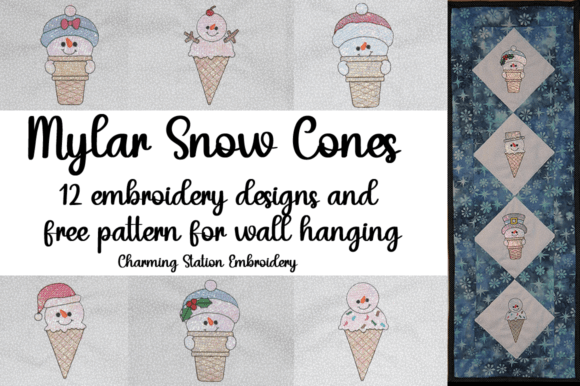
As an embroidery designer who spends more time with a hoop in hand than I do without one, I am always on the lookout for digital files that bridge the gap between technical precision and emotional charm. When I first loaded the Mylar Snow Cones set into my software, I was immediately struck by the playful yet polished aesthetic. This collection is not just another seasonal dump; it is a curated set of twelve delightful designs optimized specifically for use with Mylar, offering a unique texture and visual pop that standard thread work simply cannot achieve alone.
In my studio, I approach every new machine embroidery design with a critical eye. I ask myself: Will this sell? Is it durable? Does it look handmade in the best possible way? For Mylar Snow Cones, the answer is a resounding yes, provided you understand how to leverage its strengths. This review breaks down my experience testing these files for a personalized gift shop context, focusing on real-world application for baby items, home decor, and custom orders.
The First Impression: Charm Meets Precision
The mood of this collection is undeniably sweet and whimsical, yet it retains a level of elegance that prevents it from feeling childish or cheap. The inclusion of Mylar elements adds a shimmering, reflective quality that catches the light beautifully. In a Winter themed collection, this is a standout feature. It evokes the crisp sparkle of fresh snow or the joy of a cold treat on a warm day, depending on how you style the final product.
For Etsy sellers and small business owners, perceived value is everything. These designs feel substantial. They are not sparse outlines; they have enough body to stand up on textured fabrics without getting lost. The emotional appeal is strong—these are the kinds of images that make a customer pause while scrolling through social media. They signal "handmade quality" instantly, which is crucial for building trust with buyers looking for meaningful gifts.
Versatility in Personalized Gifts
The product description notes that there are twelve designs, making them ideal for larger projects like quilts. However, in my testing, I found their individual strength lies in smaller, high-impact personalized items. Here is how I envision these working in a commercial setting:
- Baby Embroidery: These designs are perfect for baby blankets and nursery decor. The soft, rounded shapes of the snow cones are gentle and appealing to infants. When used on a minky or fleece blanket, the Mylar adds a sensory element that babies find fascinating.
- Kitchen and Home: Imagine an embroidered towel featuring one of these cones. It transforms a basic kitchen staple into a charming personalized gift. They also work wonderfully on aprons for baking enthusiasts, adding a touch of whimsy to functional wear.
- Wedding and Keepsakes: While seemingly playful, the clean lines allow for sophisticated color palettes. Using silver Mylar and white thread on a navy pillow cover creates a chic, modern look suitable for a winter wedding gift or a cozy home accent.
- Tote Bags and Apparel: For custom embroidery on tote bags, these designs offer a great balance of coverage and breathability. They are large enough to be seen but not so dense that they stiffen the fabric excessively.
Navigating Technical Challenges
While the aesthetic is strong, any experienced embroiderer knows that beauty lies in the execution. There are specific areas where you must exercise caution when using Mylar Snow Cones.
First, consider the fabric texture. Mylar requires a smooth surface to adhere properly and look clean. If you are stitching on a highly textured terry cloth towel, ensure your stabilizer is robust enough to prevent the fabric from pulling away from the Mylar edges. I recommend using a cut-away stabilizer for items that will undergo frequent washing, such as baby clothes or kitchen towels.
Second, be mindful of stitch density and detail. While the designs are optimized, small details can get lost if the thread tension is off or if the needle is dull. Always test on scrap fabric first. I noticed that on dark fabrics, the contrast between the thread and the Mylar is vital. If you choose thread colors that are too similar to the background, the definition of the snow cone shape may vanish. Always compare light and dark fabric mockups before committing to a production run.
Additionally, avoid using these on highly stretchy fabrics without proper hooping techniques. The rigidity of the Mylar combined with the stretch of the fabric can lead to puckering if not stabilized correctly. For curved surfaces, like the pocket of a onesie, take extra care to float the fabric or use a magnetic hoop to ensure even tension.
Enhancing Giftability and Customer Trust
From a business perspective, Mylar Snow Cones significantly boosts the giftability of your products. A plain mug becomes a keepsake; a simple tote becomes a statement piece. This emotional connection drives buyer engagement. Customers are not just buying an item; they are buying the feeling of warmth and nostalgia associated with the design.
For product photography, these designs are a dream. The reflective nature of the Mylar catches studio lights beautifully, creating dynamic images that stand out in crowded online marketplaces. As an Etsy seller, having a digital embroidery file that photographs well is half the battle won. It allows you to create printable mockups that look realistic and inviting, increasing the likelihood of conversion.
Practical Embroidery Notes for Success
To ensure your finished product meets professional standards, follow these practical steps when working with this collection:
- Check Your Hoop Size: The product description mentions directions for a wall hanging with four designs, implying a certain scale. Confirm the exact hoop size required for each individual design in the file package before starting. Do not assume; measure.
- Stabilizer Selection: Use a high-quality stabilizer appropriate for your fabric. For lightweight fabrics, a tear-away might suffice, but for heavy-use items like blankets, invest in a soft cut-away to maintain comfort and durability.
- Thread Color Contrast: Plan your thread colors carefully. Since Mylar provides the main visual interest, use thread to outline and define, not to overwhelm. Neutral threads often work best to let the Mylar shine.
- Commercial Licensing: Before selling any finished products, confirm the commercial licensing terms included with the digital embroidery file. Most designers allow physical sales but restrict the resale of the file itself. Ensure you are compliant to protect your small shop product line.
- Test Stitching: Always run a test stitch on a similar fabric scrap. Check for thread breaks, Mylar shifting, or registration issues. This small step saves hours of frustration and wasted materials.
Final Thoughts for the Modern Maker
In the world of custom embroidery, finding designs that are both technically sound and emotionally resonant is rare. Mylar Snow Cones succeeds on both fronts. It offers a versatile, charming aesthetic that fits seamlessly into the Winter category while remaining relevant for year-round whimsical decor. Whether you are creating a baby embroidery masterpiece, a unique wedding gift, or a best-selling item for your online store, this set provides the tools you need to succeed.
Remember, the key to a successful handmade product is attention to detail. By respecting the material requirements of Mylar and choosing the right applications, you can turn these digital files into tangible treasures that customers will cherish. For the serious crafter and small business owner, this collection is a valuable addition to your library, promising both creative satisfaction and commercial potential.