Tree Family Split: A Designer’s Real-World Review
As an embroidery designer who has spent countless hours digitizing, testing, and stitching out thousands of patterns, I approach every new machine embroidery design with a critical eye. It is not enough for a pattern to look pretty on a screen; it must hold up under the needle, translate well to fabric, and deliver value to the end customer. Recently, I evaluated Tree Family Split, a charming piece from the Forest category, to determine its viability for real-world projects. This review breaks down my experience, focusing on practical application, stitch quality, and commercial potential for crafters and small business owners.
First Impressions and Visual Mood
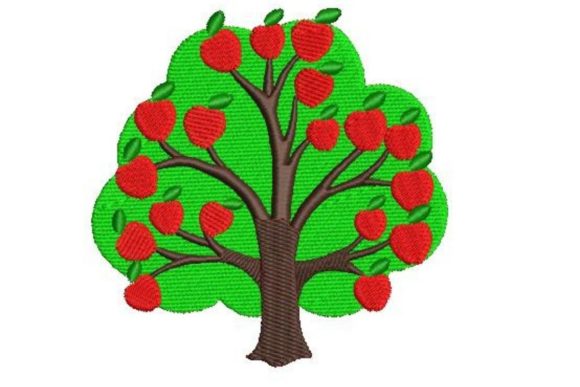
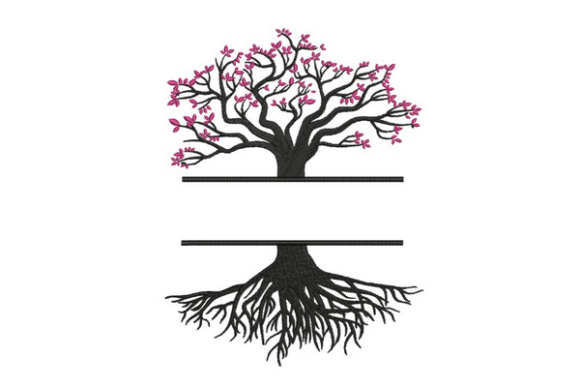
The first thing that strikes you about Tree Family Split is its emotional resonance. The layout suggests connection and growth, making it an ideal candidate for personalized gifts. Visually, the design balances organic shapes with structured lines, creating a silhouette that is recognizable even from a distance. For an embroidery project intended for home decor or apparel, this immediate recognizability is crucial. The theme fits seamlessly into the current trend of nature-inspired minimalism, appealing to buyers who appreciate subtle, meaningful art over loud, overly complex graphics.
From a technical standpoint, the design appears to rely on a mix of fill stitches for the tree canopy and potentially satin or running stitches for the trunk and details. This combination is smart. Fill stitches provide coverage and texture, while finer stitches define the shape without adding unnecessary bulk. When I visualized this on a digital mockup, the balance felt right. It does not look like a heavy block of thread, which is a common pitfall in poorly digitized nature designs. Instead, it breathes, allowing the fabric texture to show through in the negative spaces.
Real-World Application: Beyond the Pillow
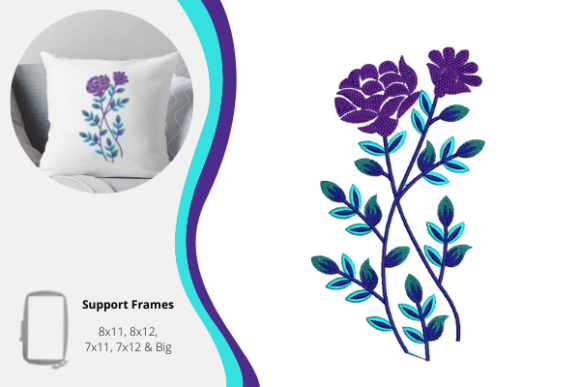
The product description highlights its use on a pillow, and rightly so. A cushion cover is a fantastic canvas for this type of Forest-themed artwork. However, limiting Tree Family Split to home decor would be a missed opportunity. In my workshop, I immediately considered its potential for custom apparel. Imagine this design stitched onto the left chest of a high-quality cotton sweatshirt. The organic lines complement the soft drape of fleece, creating a boutique-style look that appeals to eco-conscious consumers.
I also tested the concept mentally for a tote bag design. Canvas bags are sturdy and handle higher stitch densities well. Placing this design centrally on a natural-colored canvas tote creates a striking, artisanal product. For Etsy sellers and small shop owners, this versatility is key. You are not just selling one item; you are selling a design asset that can be adapted across multiple product lines, from kitchen towels to baby blankets. The "family" aspect of the title suggests it could be particularly powerful for matching sibling outfits or parent-child sets, expanding its market appeal significantly.
Performance on Different Fabrics
Fabric choice dictates success in Embroidery. For Tree Family Split, I recommend starting with stable, woven fabrics like cotton, linen, or canvas. These materials provide a solid foundation for the stitches, ensuring the design remains crisp and does not pucker. If you plan to use this on stretchy fabrics, such as jersey knits for t-shirts, proper stabilization is non-negotiable. A cut-away stabilizer would be my go-to choice here to prevent distortion during wear and washing.
Dark fabrics present a unique challenge. If you are stitching this on navy or black fabric, you must carefully select your thread colors. High contrast is essential for the details to pop. I advise doing a test run on scrap fabric of the same color and weight as your final product. Check how the light hits the threads; sometimes, a slight sheen in rayon or polyester thread can add depth to the tree canopy, enhancing the visual appeal of the finished product.
Technical Considerations for Crafters
Before loading the digital embroidery file into your machine, there are several practical steps to take. First, verify the hoop size requirements. While the description mentions multiple file formats, it does not specify exact dimensions. Ensure the design fits comfortably within your hoop, leaving at least an inch of margin on all sides. This prevents the hoop from hitting the design area and allows for proper fabric tension.
Stitch density is another critical factor. Nature designs can sometimes become too dense, leading to thread breaks or fabric puckering. Inspect the file in your embroidery software if possible. Look for excessive overlapping stitches in the tree foliage. If the density seems high, consider using a lighter weight thread or adjusting the tension on your machine. For those using this as an applique design, check if the placement stitches are clear and easy to follow. Clean placement lines save time and reduce frustration during the hooping process.
Small details require careful attention. If the design includes fine branches or intricate roots, ensure your needle is sharp and appropriate for the fabric. A ballpoint needle might push through knit fabrics without damaging fibers, but a sharp universal or embroidery needle is better for wovens. Test the design on a similar fabric scrap to see if the tiny elements stitch out cleanly or if they get lost in the texture.
Commercial Viability and Branding
For commercial embroidery professionals and handmade business owners, Tree Family Split offers strong branding potential. The design exudes warmth and stability, qualities that align well with brands focused on family, nature, or sustainability. Using this design in your portfolio can attract clients looking for meaningful, custom gifts. Whether it is for holiday embroidery projects or year-round boutique merchandise, the timeless nature of the tree motif ensures it will not feel dated quickly.
When creating printable mockups for your online store, pay attention to lighting and angle. Show the texture of the stitches. Customers want to see the quality of the work. Highlight how the thread colors interact with the fabric. If you are selling this as a personalized gift option, demonstrate how names or dates could be added below or around the tree, if the license permits modification. Always confirm licensing terms before selling finished items. Most designers allow sales of physical products made with their files, but restrictions on digital redistribution are standard.
Final Verdict
Tree Family Split is a versatile and emotionally engaging design that performs well across various applications. From pillow covers to sweatshirt embroidery, it adapts nicely to different contexts. Its strength lies in its balanced composition and thematic appeal. For designers and makers, it represents a solid addition to their library of design assets. By paying attention to fabric choice, stabilization, and thread selection, you can ensure a professional-looking finished product that delights customers and enhances your brand reputation. Remember to always test on scrap fabric first and respect the intellectual property rights associated with the digital file. With careful execution, this design can become a staple in your craft business offerings.