Mexican Otomi Design: A Craft Fair Review
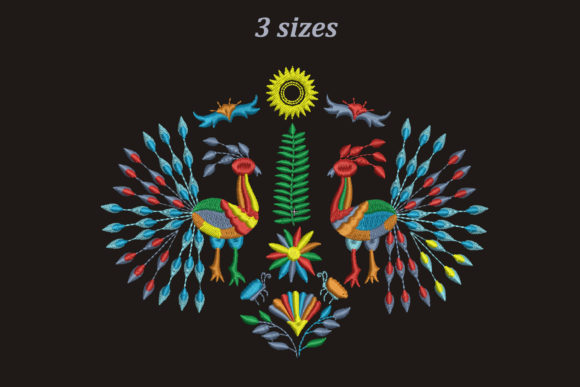
As an embroidery designer who has spent countless weekends standing behind booths at local markets, I know that not every machine embroidery design translates equally well from screen to sales. When I first loaded the Mexican design into my software, I was immediately struck by its potential. This is not just a pattern; it is a statement piece rooted in the rich visual language of Mexico. The description promises stunning Otomi embroidery, and for those of us in the handmade community, Otomi styles are synonymous with intricate storytelling through thread. Here is my honest review of how this design performs when turned into tangible handmade product offerings for the modern craft fair.
First Impressions: Bold, Festive, and Culturally Rich
The immediate vibe of the Mexican design is festive and bold. It does not whisper; it sings. In a sea of minimalist farmhouse decor and subtle monograms, this design demands attention. It feels decorative and premium, carrying the weight of tradition while remaining accessible to contemporary buyers. For an Etsy seller or boutique maker, this aesthetic is crucial. It signals quality and effort. The intricate nature of Otomi patterns suggests a high level of craftsmanship, which allows you to price your finished product higher than simple, single-color motifs. It evokes a sense of warmth and celebration, making it ideal for gift-giving seasons or summer market days where customers are looking for vibrant, cheerful items.
Product Versatility: Where This Design Shines
The true test of any digital embroidery file is its versatility. I evaluated Mexican across several common craft fair product categories to see where it would generate the most revenue.
- Tote Bags and Market Bags: This is arguably the strongest application. A large, centered tote bag design using this Otomi pattern creates an instant bestseller. Canvas bags provide the perfect stable background for the complex lines, allowing the thread colors to pop against natural or white fabric. Customers love functional art, and a bag featuring this design becomes a walking advertisement for your brand.
- Aprons and Kitchen Textiles: The apron embroidery potential here is massive. Imagine a white chef’s apron with this colorful motif on the bib or pocket. It elevates a standard kitchen item into a heirloom-quality piece. Similarly, tea towel embroidery works well, provided the design size is scaled correctly to fit the narrower width of a towel without losing detail.
- Patches and Accessories: If the design comes in smaller sizes, it makes for incredible embroidered patch options. These can be sold as standalone add-ons or pre-applied to denim jackets and canvas pouches. Patches are low-cost, high-margin small shop product staples that appeal to younger demographics.
- Home Decor: Pillow covers benefit greatly from the symmetry often found in Otomi styles. The design acts as a focal point, turning a plain cushion into a decorative accent that fits both bohemian and modern eclectic interiors.
Production Realities: Stitch Density and Fabric Choice
While the visual appeal is undeniable, practical production concerns must be addressed. Otomi-inspired designs are typically dense. High stitch density means more thread usage and longer machine run times. Before committing to a batch of fifty units, you must check the specific details of the embroidery file. Does it include multiple sizes? What is the recommended hoop size? Since the product description mentions "multiple embroidery" options, you likely have flexibility, but you must verify the stitch count for each size.
Fabric choice is critical. This design will struggle on loosely woven fabrics or textured towels unless you use a heavy-duty cut-away stabilizer. The intricate details can get lost if the fabric shifts or if the stitches sink into a plush texture. For best results, stick to tight-weave cottons, canvas, or linen. If you are attempting cap embroidery, be cautious. Curved surfaces can distort complex, wide designs. Unless the design is specifically digitized for caps with proper pull compensation, it may look warped. I recommend testing on a curved surface scrap before selling capped items.
Visual Appeal and Customer Engagement
In a crowded market, eye-catching visuals drive sales. The Mexican design excels in this area because of its color potential. Otomi traditions often utilize bright, contrasting hues. As a designer, you have the creative freedom to choose your thread colors. You might stick to traditional vibrant palettes or opt for a modern, muted tonal look for a more subdued aesthetic. Either way, the complexity of the line work creates depth. When customers walk by your booth, the texture of the raised stitches catches the light, inviting them to touch the item. This tactile engagement is a powerful sales tool.
Furthermore, this design photographs beautifully for online listings. The clear lines and distinct shapes make it easy to create a compelling printable mockup or high-resolution photo for your Etsy shop. Ensure you capture close-ups that show the precision of the stitching, as this reinforces the value of your commercial embroidery work.
Designer Notes for Best Results
To ensure your success with this design assets package, follow these professional tips:
- Test on Scrap Fabric: Never run a new design on your final product first. Use scraps of the exact fabric you intend to sell. Check for puckering or thread breaks.
- Check Thread Contrast: Ensure your bobbin thread matches the top thread or the fabric backing to avoid visible dots in the negative space of the design.
- Review Spacing and Detail: Look closely at the smallest elements. If certain details are too tiny, they may not stitch out cleanly on all machines. You may need to simplify or enlarge the design slightly.
- Confirm Commercial Licensing: Before selling any finished product, verify the license terms included with your purchase. Most designers allow physical sales but restrict sharing the digital file itself.
- Create Real Mockups: Sew one sample item to use as your display model. A real, stitched example sells far better than a digital image alone.
Final Verdict for Handmade Entrepreneurs
The Mexican Otomi embroidery design is a strong contender for any craft fair inventory. It bridges the gap between traditional folk art and modern handmade trends. While it requires careful attention to stabilizer choice and fabric texture due to its likely density, the payoff is a high-perceived-value item that stands out in a saturated market. Whether you are an experienced Etsy seller or a weekend warrior at the local farmers' market, this design offers the visual impact needed to stop shoppers in their tracks. Embrace the tradition, respect the technical requirements, and let this stunning motif elevate your brand.