Afro Girl Embroidery: A Designer’s Craft Fair Review
As an embroidery designer who has spent countless hours behind the hoop and even more time standing behind a craft fair table, I look at every new machine embroidery design through two distinct lenses. First, does it stitch out cleanly? Second, and perhaps more importantly, will it stop a shopper in their tracks? Today, I am reviewing Afro Girl, a design categorized under Awareness, to determine if it deserves a prime spot on my upcoming weekend booth display.
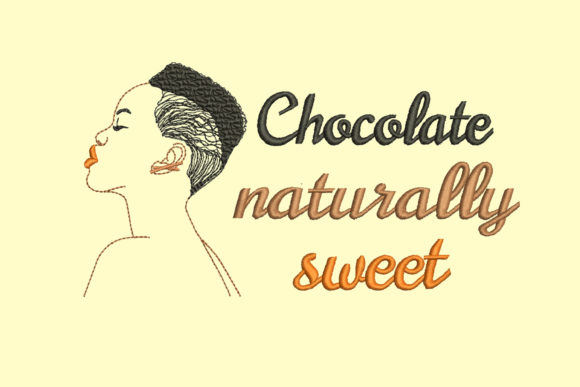
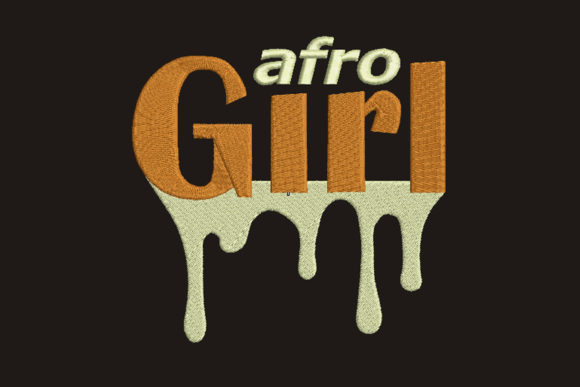
The premise of this design is powerful yet simple: "Every afro girl deserves a cool embroidery such as this one." It is pitched for t-shirts, hoodies, tote bags, and birthday gifts for the "melanin queen." From a business perspective, this is not just a decorative element; it is a statement piece. In the current market, customers are looking for products that reflect identity, pride, and joy. Let’s break down how Afro Girl performs as a potential best-seller for your handmade product line.
First Impressions and Visual Appeal
When I first loaded the digital embroidery file into my software, the immediate impression was one of boldness and modern charm. This is not a subtle, farmhouse-style accent. It is a focal point. The design exudes confidence. For a craft fair environment, where you have mere seconds to capture attention from a distance, this visual weight is an asset. It feels contemporary and celebratory, fitting perfectly into the niche of empowerment-themed crafts.
The aesthetic leans towards cute yet premium. It avoids being overly cartoonish, which allows it to cross over from children’s items to adult fashion accessories. This versatility is crucial for a small shop product line because it doubles your potential customer base. Whether displayed on a neutral linen tote or a vibrant hoodie, the design commands attention without feeling aggressive. It strikes a balance between artistic expression and commercial appeal.
Product Placement: Where Does It Sell Best?
Not every design works on every substrate. Based on the description and typical characteristics of this style, here is how I would strategically place Afro Girl in my inventory.
- Tote Bags and Market Bags: This is arguably the strongest application. A tote bag design needs to be legible from three feet away. The bold lines of the Afro Girl motif work exceptionally well on canvas or heavy cotton. It transforms a utilitarian item into a walking billboard for self-love.
- Hoodies and T-Shirts: Apparel is a high-volume seller. Placing this design on the left chest creates a sophisticated look, while a larger center-chest placement makes a bold fashion statement. Ensure you use a soft hand stabilizer to maintain the drape of the fabric.
- Embroidered Patches: If you want to minimize risk, turn this into an embroidered patch. Patches allow customers to customize their own jackets or bags. They are also easier to ship for Etsy seller operations and require less inventory commitment than finished garments.
- Pillow Covers: For home decor, this design adds a pop of personality. It works best on solid-colored pillowcases where the thread colors can pop against the background.
I would be cautious with tea towel embroidery or thin aprons unless the design size is significantly reduced. Heavy stitch counts can cause puckering on lightweight fabrics, detracting from the handmade quality that customers expect.
Production Practicality for Batch Selling
For those of us running a commercial embroidery side hustle, time is money. How does Afro Girl hold up under production pressure?
The design appears to rely on solid fills and clean outlines rather than intricate, tiny details. This is good news for batch production. Designs with excessive micro-details often result in thread breaks and trimming nightmares. However, you must pay close attention to stitch density. If the afro texture is created using dense satin stitches or complex fill patterns, it may pull on stretchy fabrics like jersey knits. Always test on scrap fabric first.
Another critical factor is color contrast. The description mentions it is for the "melanin queen," implying a celebration of dark skin tones. When choosing thread colors, ensure there is sufficient contrast between the skin tone threads, the hair, and the background fabric. On dark fabrics, you may need to use a white or light-colored underlay or border to make the design pop, otherwise, it might get lost in the shadows of the material.
Careful-Use Notes and Technical Considerations
Before you commit to stitching fifty units for your next market, consider these technical constraints. While the design is versatile, it is not universal.
- Fabric Texture: Avoid highly textured fabrics like waffle-weave towels or rough burlap. The fine details of the face and hair definition may lose clarity if the fabric grain interferes with the needle penetration.
- Curved Surfaces: If applying this to caps, be mindful of the curvature. A design that is too wide will distort around the front panel. Check the width dimensions against your cap’s sewable area.
- Small Lettering: If the design includes any text elements, verify their size. Small lettering often becomes illegible when stitched below one inch in height. If the text is part of the Afro Girl file, ensure it is large enough to read clearly on your intended product.
- Stabilizer Selection: Do not skimp on stabilization. For knit fabrics (hoodies/tees), use a cut-away stabilizer to prevent distortion after washing. For woven totes, a tear-away may suffice, but a mesh cut-away provides a more professional, premium finish.
Maximizing Sales Through Presentation
How you present Afro Girl determines its perceived value. In a physical booth, lighting is key. Embroidery has texture; it catches the light. Display your samples at eye level. Use mannequins for hoodies and hang tote bags so they are fully visible. Do not fold them in a way that obscures the design.
For online listings, a printable mockup is a great starting point, but nothing beats real photos. Take close-up shots that show the stitch quality. Highlight the sheen of the thread and the cleanliness of the backing. Customers buying design assets or finished goods want to see that the back is as neat as the front. Mention the hoop size required in your description to help fellow crafters determine if it fits their machines.
This design fits squarely into the Awareness category, which means it carries emotional weight. Use your product descriptions to tell a story. Connect the embroidery to themes of confidence, beauty, and representation. This emotional connection increases buyer engagement and justifies a higher price point for your finished product.
Final Verdict for the Creative Entrepreneur
Is Afro Girl worth adding to your catalog? Absolutely. It is a timely, relevant, and visually striking design that aligns well with current consumer trends toward personalized, meaningful goods. It offers flexibility across multiple product types, from wearable art to home accessories.
However, success lies in the execution. Verify the specific file formats and license terms included in the download, as the provided description cuts off before detailing whether it comes with multiple sizes or formats. Confirm commercial licensing rights explicitly before selling. Test your tension, choose high-quality threads, and pair the design with fabrics that enhance its boldness. If you treat this design with the respect it deserves, it has the potential to become a staple in your craft fair product lineup, drawing in customers who are eager to celebrate their identity with style and grace.