Deer a Head with Horns: A Craft Fair Review
As an embroidery designer who has spent countless weekends behind a folding table at local markets, I have learned that not every design translates from screen to sales. When I first loaded the Deer a Head with Horns file into my digitizing software, I was looking for that specific spark that turns a casual browser into a committed buyer. This design sits squarely in the popular Woodland Animals category, but its success depends entirely on how you position it within your handmade product lineup.
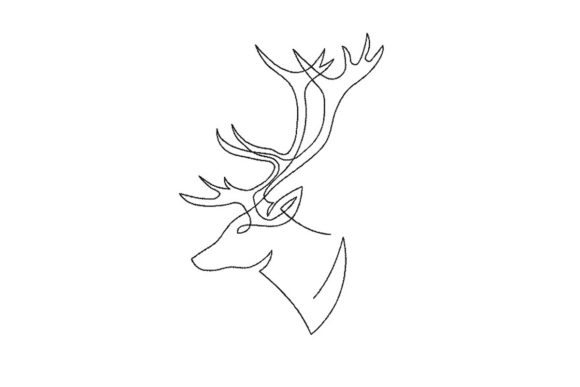
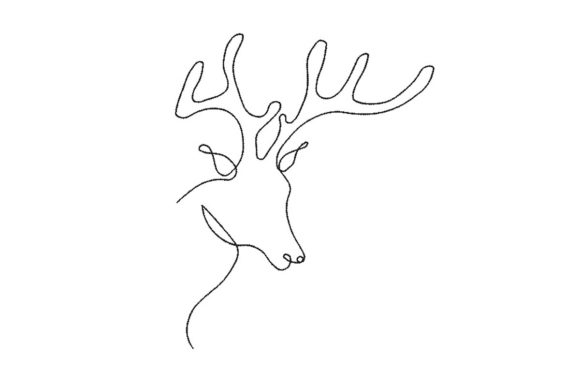
The initial impression of this motif is one of rustic charm mixed with modern simplicity. It does not scream for attention with excessive detail; instead, it offers a clean silhouette that reads well from a distance. For a craft fair seller, this is crucial. Customers walking past your booth have seconds to decide whether to stop. A cluttered design gets lost, but a strong, recognizable shape like this deer head anchors the eye. The description notes that you can choose the color scheme at your discretion, which is a significant advantage. It means this machine embroidery design is versatile enough to shift from a cozy farmhouse aesthetic to a bold, contemporary statement piece depending on your thread choices.
Product Placement and Visual Impact
To maximize sales, you must match the design to the right substrate. I tested this concept mentally against several common craft fair product categories. Here is where Deer a Head with Horns truly shines:
- Tote Bags: This is arguably the best canvas for this design. A large hoop placement on a natural canvas tote allows the deer to be the focal point. The tote bag design potential here is high because shoppers love reusable bags that feature nature-inspired art. The simplicity of the horns and head ensures the design does not look muddy even on textured canvas.
- Aprons: An apron embroidery project benefits from a centered chest placement. This design feels homey and welcoming, perfect for kitchenware sections of your booth. It appeals to buyers looking for gifts for hosts or cooking enthusiasts.
- Tea Towels: For tea towel embroidery, scale is everything. Because towels have a loose weave, you must be cautious. However, if the design is scaled correctly, it makes for an excellent small shop product. It adds a touch of elegance to everyday items, increasing their perceived value.
- Embroidered Patches: If you offer accessories, turning this into an embroidered patch is a smart move. Patches are impulse buys. The distinct outline of the horns makes it easy to cut and apply, appealing to younger demographics who want to customize denim jackets or backpacks.
While these items are strong contenders, I would hesitate to use this specific design on curved cap surfaces unless the digitization is specifically adjusted for that curvature. The horizontal spread of the horns might distort on a tight curve, losing the symmetry that makes the design appealing. Always consider the fabric texture and structure before committing to a production run.
Production Practicality for Busy Makers
When preparing for a market, time is money. One of the strongest aspects of Deer a Head with Horns is its potential for batch production. The description emphasizes that it is a "simple embroidery," which usually correlates with lower stitch counts and faster run times. For an Etsy seller or market vendor, this efficiency is vital. You can produce more units in less time, keeping your inventory stocked without burning out.
However, simplicity does not mean you can skip quality control. You must pay close attention to stitch density. If the density is too low, the fabric may show through, especially on darker materials. If it is too high, you risk puckering, particularly on lighter fabrics like cotton tea towels. I recommend running a test stitch-out on scrap fabric that matches your final product material. Check the back of the hoop as well; a messy back often leads to customer returns or negative reviews.
Another critical factor is the choice of stabilizer. For tote bags and aprons, a cut-away stabilizer provides long-lasting durability. For tea towels, a tear-away might suffice, but ensure it does not leave residue or distort the weave. The right selection of materials for embroidery will elevate the finished look, making your finished product feel premium rather than homemade in a negative sense.
Marketing and Online Presence
In today’s hybrid selling environment, your physical booth is only half the battle. You need this design to perform online as well. The clean lines of Deer a Head with Horns photograph exceptionally well. It creates high-contrast images that pop on social media feeds and Etsy listings. When creating your printable mockup or digital assets for your shop, ensure you showcase the design on various backgrounds. Show it in earth tones for a rustic vibe and in bright whites or blacks for a modern twist.
As a digital embroidery file provider or a seller of physical goods, consistency is key. Use this design to build a cohesive brand identity. If your shop focuses on woodland themes, this deer becomes a signature element. Buyers begin to recognize your style, which fosters loyalty. Mentioning that the item is part of a curated Woodland Animals collection can help with SEO and internal shop navigation.
Designer Notes and Careful Considerations
Before you launch this as a primary commercial embroidery product, keep these practical tips in mind:
- Check the License: The product description mentions choosing colors but does not explicitly state license terms. Always confirm commercial licensing before selling finished products. If you are buying the design assets from a third party, ensure you have the right to sell the physical items you create.
- Thread Contrast: Because the design is simple, thread color choice is magnified. High contrast between the thread and fabric makes the design readable from afar. Low contrast creates a subtle, tonal look that appeals to minimalist buyers. Test both.
- Hoop Size: Verify the recommended hoop size for the file. Do not arbitrarily resize the design beyond recommended limits, as this can cause stitching errors or distortion. If the file is small, do not stretch it to fit a large tote without checking the stitch integrity.
- Detail Clarity: Ensure the "horns" retain their definition. In some digitizations, thin antler tines can break or look like blobs if the fabric is too thick. Avoid using this on heavy denim or textured wool unless you have confirmed the needle penetration and thread weight are appropriate.
Ultimately, Deer a Head with Horns is a strong contender for your next market season. It balances aesthetic appeal with production efficiency. By placing it on the right products, respecting the technical limitations of the embroidery process, and marketing it with clear, high-quality visuals, you can turn this simple design into a consistent revenue stream for your creative business. Remember, the goal is not just to sell an item, but to sell a feeling of warmth and nature-inspired beauty that customers want to bring into their homes.