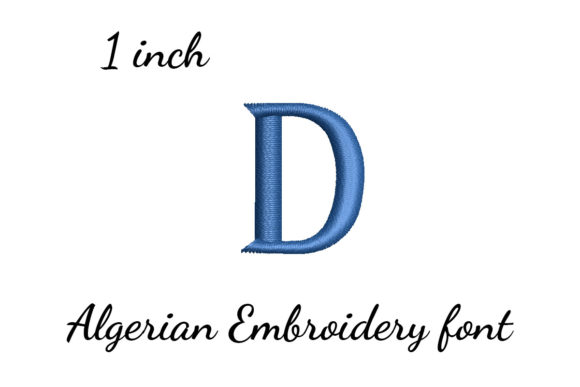
D Font Algerian: A Designer’s Review for Craft Fairs
As an embroidery designer who has spent countless weekends standing behind booth tables, watching customers pick up and inspect handmade goods, I have learned that font choice is not just a aesthetic decision—it is a business strategy. When I first loaded the D Font Algerian into my digitizing software, I was looking for more than just a pretty letter. I was looking for a workhorse design that could carry a product line. This review breaks down how this specific machine embroidery design performs in the real world of craft fairs, Etsy shops, and boutique manufacturing.
First Impressions: Bold Elegance Meets Market Appeal
The moment you view the D Font Algerian, the immediate impression is one of structured elegance with a touch of vintage charm. It does not scream "modern minimalism," nor does it lean too heavily into rustic farmhouse trends. Instead, it sits comfortably in a premium space. The lines are clean, suggesting a high-quality finish that appeals to buyers looking for something special rather than generic. For a Wedding Monogram category item, this is crucial. Brides and gift-givers want fonts that feel established and timeless.
In a crowded market environment, clarity is king. This design stands out because it maintains its integrity even from a distance. When placed on a tote bag hanging on a display rack, the shape of the "D" is instantly recognizable. It does not get lost in complex flourishes, which makes it an excellent candidate for quick decision-making by passersby at a busy fair.
Product Versatility: Where This Design Shines
To truly evaluate a digital embroidery file, you must imagine it on various substrates. Here is how D Font Algerian performs across common craft fair products:
- Tote Bags and Market Bags: This is perhaps the strongest application. The bold nature of the Algerian style fills the center of a canvas tote beautifully. It acts as a focal point without overwhelming the fabric. As a tote bag design, it allows for easy personalization, which is a huge selling point for impulse buys.
- Aprons and Kitchen Textiles: For apron embroidery and tea towel embroidery, this font offers a sophisticated look. On a waffle-weave tea towel, the design provides enough contrast to look intentional and high-end. It elevates a simple kitchen item into a giftable handmade product.
- Caps and Headwear: Embroidering on curved surfaces is tricky. Because this design is relatively contained, it works well on the front panel of a baseball cap. However, care must be taken with the width to ensure it does not distort around the curve.
- Patches and Pouches: As an embroidered patch, this design holds up well if the size is sufficient. On small fabric pouches, it serves as a chic branding element or a personalized initial.
Production Practicality for the Small Shop Owner
For the Etsy seller or the weekend warrior, time is money. One of the key advantages of D Font Algerian is its potential for batch production. Since it is a single letter format, it is highly repeatable. You can set up your hoop once and run multiple items if you are creating a monogram series. The design feels substantial enough to justify a higher price point, yet it is not so dense that it will bog down your machine or require excessive thread changes.
Photography is another critical factor. This font photographs exceptionally well for online listings. Its clear lines create sharp shadows and highlights under studio lighting, making your printable mockup images look professional and crisp. For a small shop product, having assets that look expensive online is half the battle.
Technical Considerations and Careful Use
While the design is robust, there are technical nuances every embroiderer must respect. Before committing to a large run of commercial embroidery products, consider the following:
- Stitch Density and Fabric Texture: Always check the stitch density relative to your material. On thick, textured towels, a low-density setting might cause the fabric to show through. Conversely, on lightweight cotton, high density can cause puckering. Always use the appropriate stabilizer—cut-away for stretchy fabrics like caps, and tear-away for stable woven cottons.
- Size Matters: This design loses clarity if scaled down too far. Tiny details in the Algerian style may merge if the hoop size is too small or the design is shrunk below a certain threshold. Test on scrap fabric first to find the minimum viable size.
- Thread Contrast: Because the design relies on shape, thread color choice is vital. On dark fabrics, use a high-contrast thread to ensure the letter pops. On light fabrics, tonal embroidery can look subtle and premium, but ensure the stitch direction catches the light.
Enhancing Brand Consistency and Buyer Engagement
Using a consistent font family like D Font Algerian across your product line helps build brand recognition. If a customer buys a tote bag with this font, they will recognize the same elegant style on a pillow cover or a patch. This visual consistency signals professionalism and attention to detail, which increases perceived value.
In terms of buyer engagement, personalized items stop people in their tracks. When a customer sees their own initial rendered in a beautiful, high-quality embroidery font, it creates an emotional connection. D Font Algerian facilitates this connection by offering a look that feels both classic and contemporary. It invites the customer to imagine the item in their home or wardrobe.
Final Designer Notes for Implementation
Before you list this as a craft fair product or add it to your digital store, take these final steps:
- Verify File Formats: The description notes that this machine embroidery design comes with multiple embroidery file formats. Ensure you have the correct format for your specific machine before starting production.
- Check Licensing: Confirm the commercial licensing terms. If you are selling finished products, ensure your license covers commercial use. If you are selling the digital file itself, verify that redistribution rights are included.
- Create Real Mockups: Do not rely solely on digital previews. Stitch out the design on the actual fabrics you plan to sell. Compare fabric colors and thread combinations to create a cohesive look.
- Inspect the Finish: Look for any jump stitches or loose threads in the test run. A clean back means a clean front, which is essential for maintaining the reputation of your handmade business.
In conclusion, D Font Algerian is a versatile and commercially viable asset for the modern embroidery entrepreneur. It bridges the gap between decorative flair and practical application, making it an ideal choice for wedding monograms, personalized gifts, and everyday luxury items. By understanding its strengths and respecting its technical requirements, you can turn this single letter into a cornerstone of your product lineup.