Small Blue Flowers: A Designer’s Review for Craft Fairs
As an embroidery designer who spends countless hours digitizing and testing patterns, I approach every new machine embroidery design with a critical eye. It is not just about how it looks on the screen; it is about how it performs in the real world. When I loaded the Small Blue Flowers file into my software, my immediate goal was to determine its viability for upcoming craft fair seasons. For handmade shop owners and Etsy sellers, the difference between a design that sits idle and one that flies off the table often comes down to visual impact and production efficiency.
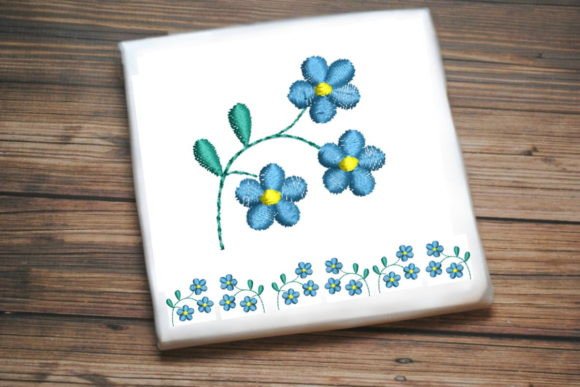
This review focuses on Small Blue Flowers, a design categorized under Bouquets within the broader Embroidery niche. Based on the description, it is marketed as fun, easy to stitch, and elegant. But does it hold up when stitched onto actual products? Let us break down its potential for your small shop product lineup.
First Impressions and Visual Appeal
The title Small Blue Flowers suggests a delicate, perhaps rustic or cottage-core aesthetic. In today’s market, buyers are drawn to designs that feel personal and soft rather than overly corporate or rigid. Upon reviewing the preview, the design appears to balance simplicity with charm. It does not scream for attention with neon brightness but invites closer inspection. This subtlety is a strength for boutique makers aiming for a premium, handmade look.
For a craft fair booth, visual clarity is paramount. Customers walking past your table have seconds to decide whether to stop. A design that is too dense or chaotic can look messy from a distance. Conversely, Small Blue Flowers seems to offer enough negative space to remain legible even on smaller items. The blue hue typically conveys trust and calm, making it a versatile choice for home decor and wearable art alike.
Product Versatility for Market Sellers
The true test of any digital embroidery file is its adaptability. Here is how I envision this design performing across various popular craft fair products:
- Tote Bag Design: Canvas totes are staples at markets. Placing this bouquet design on the lower corner of a natural cotton tote creates a sophisticated, understated look. It avoids the "cheap souvenir" vibe and elevates the bag to a fashionable accessory.
- Apron Embroidery: Kitchen aprons sell well year-round. The floral motif complements the domestic theme perfectly. Stitching it on the bib or the pocket adds a touch of elegance that appeals to gift buyers looking for housewarming presents.
- Tea Towel Embroidery: Linen or flour sack towels are excellent canvases. However, you must consider fabric texture. A loose-weave towel might require a cut-away stabilizer to prevent puckering. The design’s simplicity ensures it does not overwhelm the thin fabric.
- Embroidered Patch: If you plan to sell patches, this design’s compact nature is ideal. It can be stitched on twill, cut out, and backed with iron-on adhesive. Patches are low-risk, high-margin items that allow customers to customize their own jackets or bags later.
- Caps and Headwear: Curved surfaces are tricky. Because the design is described as "small," it may work well on the side panel of a cap rather than the front, where distortion is more likely. Always test on a curved hoop first.
Production Efficiency and Batch Selling
For commercial embroidery operations, time is money. The description notes that Small Blue Flowers is "fun and easy to stitch." In designer terms, this usually implies moderate stitch density and fewer color changes. A design that runs quickly allows you to produce more inventory before a weekend market. If the stitch count is low, you can batch-produce dozens of units without tying up your machine for hours per item.
Furthermore, ease of stitching reduces the likelihood of thread breaks or bird nests, which minimizes waste. For an Etsy seller managing orders alongside full-time work, a reliable embroidery file that stitches out cleanly the first time is invaluable. It ensures consistency across your finished product line, reinforcing brand quality.
Photography and Online Listings
In the digital realm, your product photos are your storefront. Designs with clear shapes and contrasting colors photograph better. Blue flowers against white, cream, or light gray fabrics create a crisp image that pops on mobile screens. When creating a printable mockup or staging real-life photos, ensure good lighting to highlight the texture of the threads. This design’s elegance translates well to lifestyle shots, such as a tote bag resting on a wooden table with fresh blooms nearby.
Critical Considerations for Best Results
While the design promises elegance, successful execution depends on your technical setup. Here are practical notes to ensure your final product matches your vision:
- Fabric and Stabilizer Choice: Always match your stabilizer to your fabric. For stretchy knits, use a cut-away. For woven cottons like tea towels, a tear-away may suffice if the stitch density is low. Test on scrap fabric first to check for puckering.
- Thread Contrast: Blue threads can vary wildly in shade. Ensure your thread colors contrast sufficiently with the fabric. A navy blue on black fabric will vanish, while a sky blue on white will sing. Keep a color chart handy when planning your inventory.
- Hoop Size Compatibility: Verify the required hoop size before purchasing or downloading. If the design is optimized for a 4x4 hoop, do not attempt to scale it up significantly for a 5x7 hoop without checking for pixelation or stitch gaps.
- Density Checks: Even "easy" designs can have dense areas. Inspect the stitch map. If there are overlapping satin stitches, consider using a topping stabilizer on textured fabrics like terry cloth towels to keep the design crisp.
- Licensing Verification: Before selling any finished product, confirm the commercial licensing terms of the digital embroidery file. Some designers allow unlimited sales, while others require an extended license for high-volume commercial embroidery.
Enhancing Brand Consistency and Buyer Engagement
Using a cohesive design language helps build your brand. If your shop specializes in botanical or farmhouse styles, Small Blue Flowers fits seamlessly into that narrative. It reinforces the perception of your brand as thoughtful and curated. When customers see a consistent aesthetic across your tote bags, aprons, and patches, they are more likely to perceive your work as professional and trustworthy.
Moreover, this design serves as an excellent entry point for new customers. It is not intimidatingly large or expensive, making it an impulse-buy friendly item. At a craft fair, having lower-priced items like embroidered patches or small pouches featuring this design can draw people into your booth, where they might then purchase higher-ticket items.
In conclusion, Small Blue Flowers appears to be a strong contender for your next collection. Its blend of elegance and simplicity makes it adaptable for various applications, from wearable art to home decor. By paying attention to fabric choices, stabilizer types, and presentation, you can maximize its appeal. Remember to always run test stitches and create high-quality mockups to showcase its beauty. With careful production, this design can become a staple in your handmade product lineup, driving both online sales and in-person engagement at your next market event.