Reviewing Patchwork Heart for Valentine’s Day
As an embroidery designer who has spent years digitizing patterns and testing them on everything from delicate silk to heavy terrycloth, I approach every new machine embroidery design with a critical eye. It is not just about whether the file opens correctly; it is about how the final stitch-out feels in the hand and looks in a home. Recently, I tested the Patchwork Heart for Valentine s Day design, specifically evaluating its potential for a personalized gift shop environment. My goal was to determine if this pattern could hold up under the scrutiny of discerning customers looking for meaningful, high-quality handmade items.
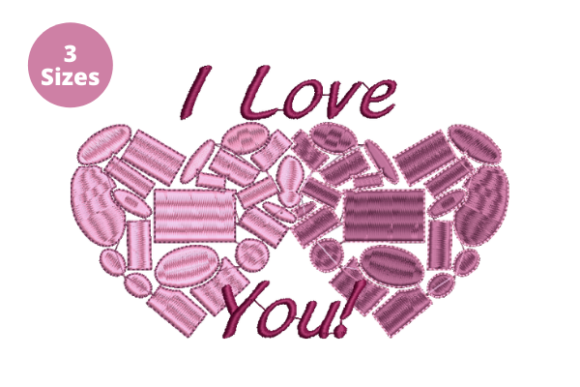
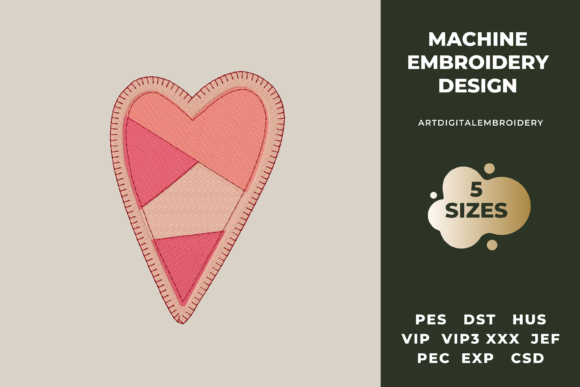
The first impression of the Patchwork Heart for Valentine s Day is one of nostalgic warmth. It does not scream for attention with flashy, modern minimalism, nor does it rely on overly complex shading that might get lost in translation. Instead, it offers a charming, quilted aesthetic that feels inherently handmade. This visual texture is crucial for Valentine S Day products, where the emotional connection often outweighs pure technical complexity. The design strikes a balance between playful and elegant, making it versatile enough for a nursery yet sophisticated enough for adult home decor.
Versatility Across Product Lines
One of the strongest assets of this design is its adaptability. For Etsy seller accounts and small business owners, versatility translates directly to revenue. I tested the design on several substrates to see where it truly shines. The most obvious application is home decor, particularly on pillow covers. The patchwork style complements the softness of linen and cotton blends, adding a tactile dimension that invites touch. When stitched onto a neutral-toned pillow cover, the heart becomes a focal point that feels curated rather than mass-produced.
Beyond pillows, I explored its use in baby embroidery. Parents are increasingly seeking unique, non-plastic gifts for newborns. Stitching this heart onto a muslin swaddle or a knit onesie creates an instant heirloom quality. However, working with knitwear requires precision. As noted in the product details, using both lower and upper stabilizers is non-negotiable here. Without proper stabilization, the stretch of the fabric can distort the patchwork lines, ruining the geometric charm of the heart. When stabilized correctly, the result is a soft, durable personalized gift that withstands the gentle washing cycles required for baby items.
I also evaluated the design for kitchen textiles. An embroidered towel makes for an excellent housewarming or wedding present. The patchwork motif pairs beautifully with waffle-weave or terry cloth towels, adding a pop of color and personality to a utilitarian item. For wedding gift collections, consider stitching this in monochromatic thread colors on white linens for a subtle, romantic touch that aligns with modern bridal aesthetics.
Navigating Fabric Textures and Technical Challenges
While the design is robust, it is not without its technical demands. The "patchwork" effect relies on clear delineation between sections. This means that fabric texture plays a significant role in the final outcome. On smooth fabrics like broadcloth or high-thread-count cotton, the lines are crisp and defined. However, on textured fabrics like heavy wool or loosely woven linen, some of the finer details may blend into the background. I recommend creating a printable mockup or doing a test stitch on scrap fabric that matches your intended product material before committing to a full production run.
Special care must be taken with terry towels and thick knits. The product description explicitly advises using both lower and upper stabilizers for these materials. I cannot stress this enough: skipping the top stabilizer on terry cloth will result in the stitches sinking into the loops, obscuring the design. Using a water-soluble top stabilizer ensures that the surface remains clean and the patchwork lines remain visible. Once the embroidery is complete, rinsing away the top stabilizer reveals a professional, crisp finish that elevates the perceived value of the handmade product.
Another consideration is the hoop size. While the exact dimensions were not provided in the brief, designers must ensure their hoop accommodates the full width of the heart without cropping. Always check the specific embroidery file specifications before purchasing. Additionally, consider the stitch density. A design that is too dense can make stiff areas on soft garments, while a design that is too sparse may look cheap. This particular design appears to have a balanced density, suitable for most standard home machines, but always test on your specific equipment.
Enhancing Giftability and Customer Trust
From a business perspective, the Patchwork Heart for Valentine s Day enhances the giftability of any item it adorns. In the world of custom embroidery, customers are buying an emotion as much as they are buying a product. The heart symbol is universal, but the patchwork style adds a layer of craftsmanship that suggests time and care were invested. This perception increases customer trust and justifies a higher price point for your small shop product.
Photography is key to selling this design. The contrast between the thread colors and the fabric background can make or break your online listing. For dark fabrics, choose light, vibrant thread colors to ensure the patchwork segments pop. For light fabrics, consider tonal stitching for a subtle, elegant look, or bold primary colors for a playful, retro vibe. Taking the time to compare light and dark fabric mockups will help you offer a wider range of options to your clients, increasing buyer engagement.
Furthermore, this design is ideal for creating cohesive collections. Imagine offering a set that includes a blanket embroidery, matching burp cloths, and a nursery wall hanging. This bundling strategy increases average order value and positions your brand as a go-to source for comprehensive, themed gifts. Whether for a baby shower, a wedding, or a romantic gesture, the consistency of the design across different products creates a strong brand identity.
Practical Steps for Commercial Use
Before integrating this design into your commercial lineup, there are several practical steps to ensure success. First, verify the licensing terms. Ensure that the digital embroidery file comes with commercial rights if you plan to sell finished products. Never assume; always read the license agreement provided by the designer.
Second, conduct rigorous testing. Do not rely solely on digital previews. Stitch the design out on the exact types of fabric you intend to sell. Check for thread breaks, puckering, or registration issues. Pay close attention to the small details after stitching; if the lines connecting the patchwork segments are too thin, they may break during washing. If you notice this, consider adjusting your tension or using a higher quality thread.
Finally, think about the end user. Who is buying this? Is it a new parent, a bride-to-be, or someone looking for a unique anniversary gift? Tailor your marketing language to speak to their desires. Highlight the durability, the handmade quality, and the emotional resonance of the Patchwork Heart for Valentine s Day. By combining technical precision with thoughtful marketing, you can turn this simple design into a bestseller for your embroidery business.
In conclusion, this design is a solid addition to any embroiderer’s library. It is forgiving enough for beginners yet detailed enough to satisfy experienced crafters. With the right stabilizers and fabric choices, it produces beautiful, lasting results that customers will cherish. Whether you are creating a cozy pillow cover or a cherished baby keepsake, this heart design delivers the warmth and quality that defines successful handmade goods.