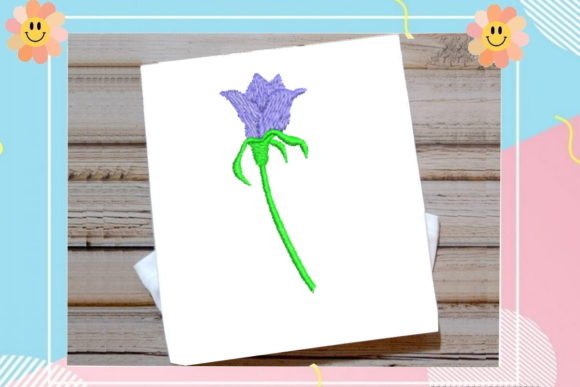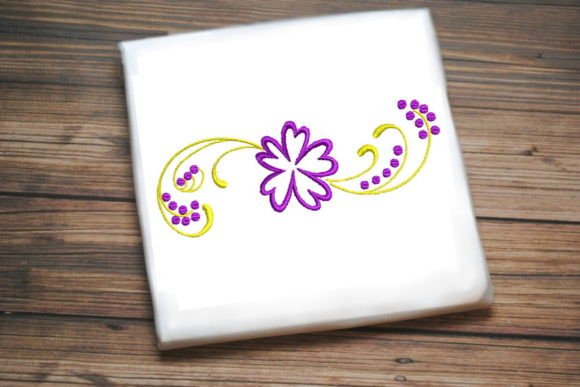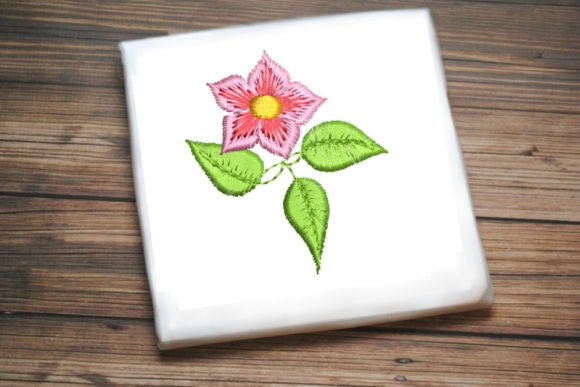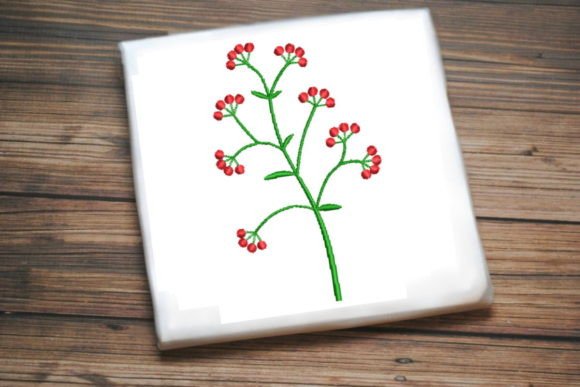
Reviewing Multicolor Leaf for Modern Gifts
As an embroidery designer who has spent years digitizing patterns and testing them on everything from muslin to minky, I approach every new machine embroidery design with a critical eye. It is not just about whether the stitches look pretty on the screen; it is about how the design performs in the real world of a busy gift shop or a home studio. Recently, I had the chance to test Multicolor Leaf, a charming addition to the Single Flowers category, specifically for use in personalized gift products. Here is my honest assessment of how this Embroidery piece holds up when moved from a digital file to a tangible, sellable item.
First Impressions: Mood and Aesthetic Appeal
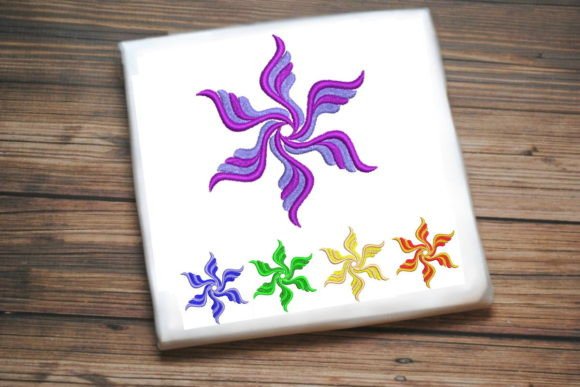
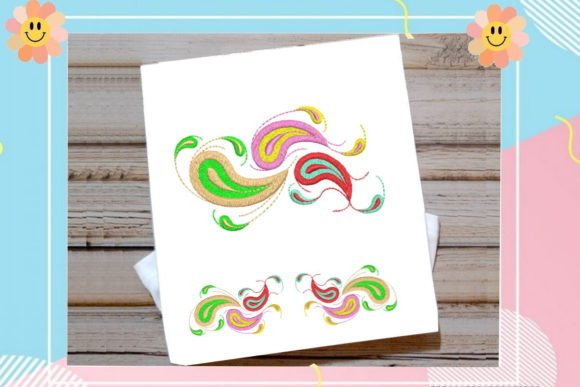
The moment I loaded the digital embroidery file into my software, the immediate impression was one of lightness and modern sweetness. Unlike heavy, traditional floral motifs that can sometimes feel dated or overly dense, Multicolor Leaf strikes a balance between playful and elegant. The color palette suggests a contemporary approach, utilizing varied thread colors to create depth without overwhelming the fabric. For a crafter or an Etsy seller, this visual appeal is crucial. It feels handmade yet polished, which is exactly the vibe modern buyers are seeking.
The design exudes a romantic yet fresh energy. It does not scream "seasonal" in a way that limits its shelf life, making it a versatile asset for year-round sales. Whether you are aiming for a spring renewal collection or a cozy autumn aesthetic, the leaf motif adapts beautifully. The detail level is moderate; it is intricate enough to show off the quality of your machine work but open enough to stitch out quickly, which is vital for maintaining profit margins in a small shop product lineup.
Real-World Application: From Baby Blankets to Wedding Keepsakes
To truly evaluate Multicolor Leaf, I imagined several customer scenarios. Let’s say a client orders a personalized gift for a baby shower. They want something soft, gender-neutral, and meaningful. Applying this design to a organic cotton onesie or a receiving blanket creates an instant emotional connection. The leaf symbolizes growth and nature, themes that resonate deeply with new parents. Because the design is not overly bulky, it remains comfortable against sensitive skin, provided you use the right backing.
Consider also the wedding market. A bride looking for unique wedding gift ideas might appreciate this design embroidered on linen napkins or a tote bag for her bridesmaids. The multicolor aspect allows you to match specific wedding palettes by swapping thread colors, offering a high degree of customization. This flexibility turns a standard custom embroidery job into a bespoke experience that clients are willing to pay a premium for.
For home decor, the potential is equally vast. An embroidered towel featuring this leaf design adds a touch of spa-like luxury to a kitchen or bathroom. On a canvas pillow cover, it serves as a focal point that brightens up a neutral living room. I found that the design scales well, meaning it can be shrunk slightly for delicate handkerchiefs or enlarged for statement blanket embroidery projects without losing its structural integrity.
Navigating Fabric Challenges and Technical Details
While Multicolor Leaf is versatile, it is not without its technical considerations. As any experienced embroiderer knows, the success of a design depends heavily on the substrate. When working with textured fabrics, such as waffle-weave towels or thick terry cloth, the finer details of the leaf veins might get lost. In these cases, I recommend using a cut-away stabilizer to provide maximum support and prevent the fabric from puckering under the stitch tension.
Stretchy materials, like those used in baby clothes, require extra caution. If you are stitching on a knit fabric, ensure you are using a ballpoint needle and a stabilizer that can move with the fabric. Otherwise, the stitches may break or distort after washing. Additionally, when placing the design on curved surfaces, such as the pocket of an apron or the corner of a tote bag, hooping can be tricky. I advise using a floating method with adhesive spray to keep the fabric taut and ensure the hoop size you select accommodates the entire design with ample margin.
Color contrast is another critical factor. On dark fabrics, the lighter threads in the multicolor scheme will pop beautifully, but you must ensure your bobbin thread matches the top thread or the backing fabric to avoid visible dots of white or black peeking through. Always run a test stitch on a scrap piece of your actual production fabric. Check the stitch density; if it feels too stiff for a lightweight voile or chiffon, you may need to adjust your tension or choose a heavier fabric like denim or canvas.
Boosting Perceived Value and Customer Trust
From a business perspective, the choice of design directly impacts perceived value. Multicolor Leaf elevates a simple item into a handmade product that feels curated and special. When customers see clean, vibrant stitching, their trust in your brand increases. This design is particularly effective for product photography. Its organic shape and colorful threads photograph well under natural light, creating engaging images for social media and online listings.
For commercial embroidery sellers, offering this design on a range of products—from aprons to nursery decor—allows for cross-selling opportunities. A customer buying a personalized baby blanket might also purchase a matching burp cloth with the same leaf motif. Consistency in design language helps build a recognizable brand identity. Furthermore, because the design feels modern and sweet, it appeals to a broad demographic, from young mothers to homeowners looking for chic decor accents.
Practical Steps Before You Sell
Before you list Multicolor Leaf as part of your inventory, there are several practical steps you must take. First, verify the license terms. Ensure that your purchase of the embroidery file includes commercial rights if you plan to sell finished goods. Never assume; always check the documentation provided by the designer.
- Test on Scrap Fabric: Always stitch out a sample on the exact material you intend to sell. This reveals any issues with tension or registration.
- Check Thread Color Contrast: View your test stitch in different lighting conditions to ensure the colors blend harmoniously and do not clash.
- Confirm Hoop Size: Make sure your machine’s hoop can accommodate the design dimensions without needing to re-hoop, which can cause alignment errors.
- Review Stitch Density: Feel the back of the sample. If it is too rough, consider using a softer stabilizer or adding a backing layer for comfort.
- Use Proper Stabilizer: Match your stabilizer to the fabric weight. Cut-away for knits, tear-away for woven non-stretch fabrics.
- Compare Mockups: Create both light and dark fabric mockups to show customers how the design looks on different backgrounds.
- Inspect Small Details: Use a magnifying glass to check for loose threads or missed stitches in the finer parts of the leaf.
In conclusion, Multicolor Leaf is a strong contender for any embroidery business looking to expand its Single Flowers collection. It offers the right mix of aesthetic charm and technical feasibility. By paying attention to fabric choices and stabilization methods, you can transform this digital asset into a best-selling personalized gift that delights customers and strengthens your brand reputation. Happy stitching!