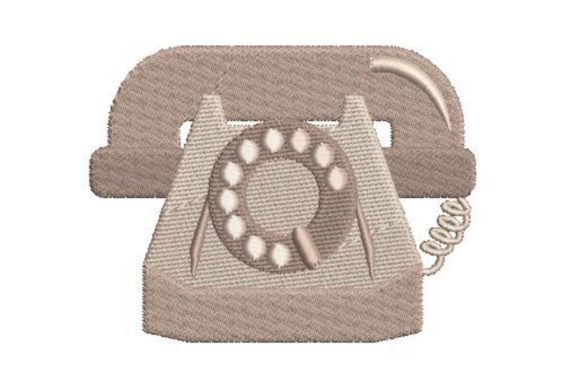
Old Fashioned Telephone: A Designer’s Review
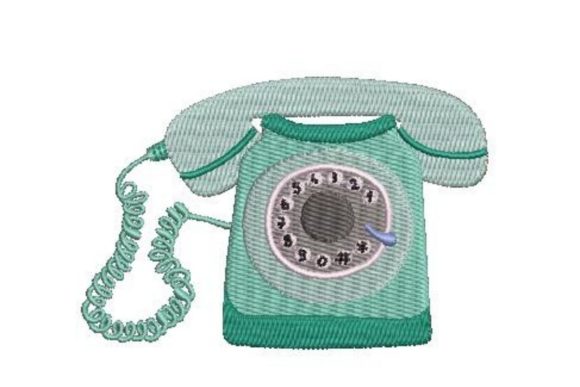
As an embroidery designer who has spent years digitizing and reviewing patterns for commercial use, I look at every new machine embroidery design through a specific lens: will this help my clients sell more? When I first loaded the Old Fashioned Telephone file into my software, my immediate impression was one of nostalgic charm. In a market saturated with ultra-modern, minimalist logos, there is a growing appetite for designs that evoke warmth, history, and a tactile sense of connection. This design fits squarely into that niche, offering a classic aesthetic that feels both professional and inviting.
For small business owners, Etsy sellers, and apparel decorators, the visual personality of this piece is its strongest asset. It does not scream for attention with neon brightness or aggressive lines; instead, it whispers of tradition. Whether you are running a boutique coffee shop, a vintage-inspired florist, or a handmade craft studio, this image serves as a powerful visual anchor. It suggests that your brand values communication, heritage, and personal touch. However, aesthetics alone do not make a viable product. We must evaluate how this design performs in real-world applications, from durable workwear to delicate home goods.
Strategic Applications for Small Business Merch
The versatility of the Old Fashioned Telephone makes it a strong candidate for various small business merch lines. Because the subject matter is universally recognized yet stylistically distinct, it bridges the gap between decorative art and functional branding. Here is how I envision this design working across different product categories:
- Embroidered Patches: This is perhaps the most lucrative application. The classic shape of a rotary or candlestick phone lends itself beautifully to a shaped patch. You can satin stitch the outline for a premium feel, making it ideal for iron-on additions to denim jackets, canvas bags, or laptop sleeves. Patches allow customers to buy into your brand identity without committing to a full garment, lowering the barrier to entry for impulse buys.
- Apron Embroidery: For bakeries, cafes, and floral studios, staff uniforms are walking billboards. Placing this design on the chest pocket or lower corner of a heavy canvas apron adds a layer of sophistication. It reinforces the idea of "old-fashioned service" and quality craftsmanship, which aligns perfectly with businesses that pride themselves on artisanal methods.
- Cap Embroidery: A smaller, simplified version of this design works exceptionally well on the front panel of dad hats or trucker caps. The curvature of the cap requires careful digitizing, but the compact nature of a telephone icon means it can remain legible even at reduced sizes. It creates a subtle, stylish look that appeals to customers who prefer understated branding over loud logos.
- Tote Bag Design: Canvas tote bags are staples for bookstores, markets, and eco-friendly brands. Centering the Old Fashioned Telephone on a natural cotton tote creates an instant vintage vibe. The contrast between the dark thread and the light fabric highlights the details of the receiver and dial, turning a simple bag into a statement piece.
Navigating Technical Challenges in Production
While the concept is strong, executing this design requires technical precision. As a designer, I always advise checking the specifics of the digital embroidery file before running a production batch. Since the product description notes that it comes in multiple formats, you must ensure you are using the correct file for your machine to avoid read errors. However, format compatibility is only the first step.
Stitch density is a critical factor here. Classic illustrations often rely on fine lines to depict details like the coiled cord or the finger holes in a rotary dial. If the density is too high, the fabric may pucker, especially on lighter materials like cotton tees. Conversely, if the density is too low, the design may look sparse and unprofessional. I recommend running a test stitch-out on a scrap piece of the exact fabric you intend to use. Pay close attention to how the threads lay on the fabric texture. Rougher textiles, like linen or heavy denim, may require slightly thicker threads or adjusted pull compensation to ensure the lines remain crisp.
Another consideration is the hoop size. Ensure that the design fits comfortably within your standard hoop without requiring excessive re-hooping, which can lead to misalignment. For smaller items like pocket squares or hat fronts, you may need to resize the design. Be cautious when scaling down; intricate details can merge and become indistinguishable if the design is reduced too much. Always check the smallest element of the design—if the dial holes turn into solid blobs, the design is too small for that application.
Color selection also plays a pivotal role. While black thread on white fabric is a classic choice, consider how thread colors interact with your brand palette. A deep navy or charcoal can offer a softer, more modern take on the vintage theme. Avoid using too many color changes if you are aiming for speed in a commercial setting, as each stop increases production time and the risk of thread breaks.
Enhancing Brand Identity and Customer Trust
In the realm of commercial embroidery, consistency is key to building trust. The Old Fashioned Telephone is not just a picture; it is a tool for storytelling. When used consistently across your design assets, it helps create a cohesive visual language. Imagine a customer receiving a package with a branded sticker, opening it to find a product wrapped in tissue paper with a matching stamped logo, and then seeing the same embroidered motif on the thank-you card or a free gift patch. This repetition builds recognition and perceived value.
For handmade brands, this design elevates the finished product from a simple commodity to a curated experience. It signals that attention to detail was paid not just to the product itself, but to its presentation. This perception of quality allows small businesses to justify higher price points. Customers are not just buying a tote bag or a shirt; they are buying into the aesthetic and the values that the vintage telephone represents—reliability, nostalgia, and human connection.
Furthermore, using this design in your marketing materials, such as a printable mockup for your online store, can significantly boost engagement. High-quality images of the embroidery on realistic textures help online shoppers visualize the product, reducing hesitation and return rates. It shows professionalism and preparedness, two traits that instill confidence in potential buyers.
Practical Notes for the Embroidery Professional
Before you commit to a large run, take these practical steps to ensure success:
- Test in Monochrome: Stitch the design in black and white first. This strips away the distraction of color and allows you to evaluate the structural integrity of the digitizing. If it looks good in black and white, it will likely look great in color.
- Check Stabilizer Compatibility: Use the appropriate stabilizer for your fabric. Cut-away stabilizers are generally best for garments that will be washed frequently, while tear-away may suffice for decorative items that see less wear. Improper stabilization is the leading cause of distorted embroidery.
- Verify Licensing: Always confirm the commercial license terms associated with the embroidery file. Ensure you have the right to use the design on items for sale, especially if you are producing high volumes. Protecting your business from intellectual property issues is as important as the stitching itself.
- Create Client Mockups: If you are doing custom work for a client, create a digital mockup showing the Old Fashioned Telephone on their specific garment. This manages expectations and provides a clear approval path before you start stitching.
In conclusion, the Old Fashioned Telephone is a versatile and evocative addition to any embroidery library. It serves the House category well for home decor items but truly shines in Embroidery applications for branded merchandise. By understanding its technical requirements and leveraging its nostalgic appeal, small business owners and designers can create products that resonate deeply with customers. It is a reminder that in a digital world, there is still immense value in the tangible, the classic, and the carefully crafted.