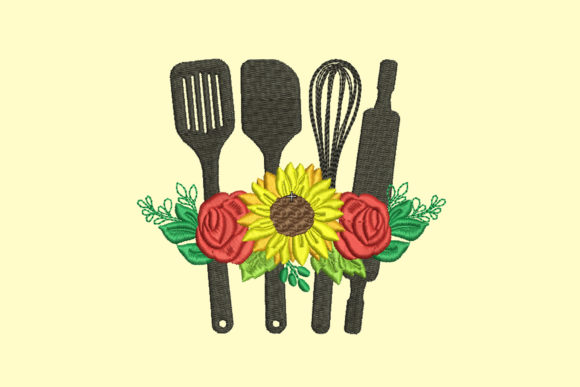
Kitchen Embroidery Design Review for Holiday Sales
As an embroidery designer who spends countless hours digitizing and testing files, I approach every new machine embroidery design with a critical eye. It is not just about whether the stitches look clean; it is about whether the design will sell. When I first loaded the Kitchen design onto my machine, I was looking for that specific spark that turns a simple digital file into a best-selling handmade gift. This fresh and beautiful embroidery promises to make spending time in the kitchen more pleasurable, but does it hold up under the scrutiny of holiday shoppers and seasoned crafters? Let us dive into a practical review of how this piece fits into a seasonal product collection.
First Impressions: Mood and Aesthetic Appeal
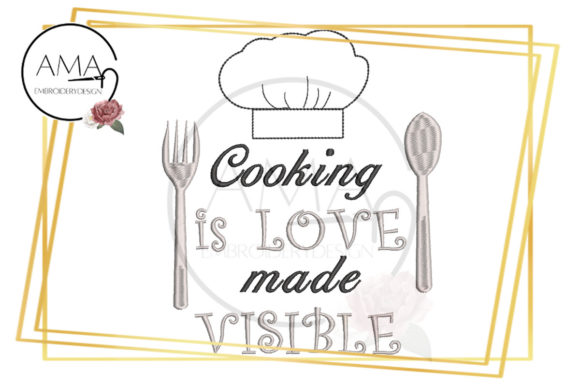
The immediate visual impact of the Kitchen design is one of warmth and domestic comfort. In the context of seasonal embroidery, this aesthetic is gold. During the holidays, customers are not just buying products; they are buying feelings of nostalgia, coziness, and home. This design captures that essence perfectly. It feels rustic yet refined, avoiding the trap of being overly kitschy while still maintaining a playful charm. The detail level is balanced, offering enough intricacy to look premium without becoming a nightmare to stitch out on standard home machines.
For an Etsy seller or small business owner, this emotional tone is crucial. The design lends itself beautifully to the "cottagecore" trend that has remained strong in home decor. Whether you are aiming for a vintage farmhouse look or a modern minimalist vibe, the versatility of this artwork allows it to bridge those gaps. It feels festive in a subtle way, making it suitable not just for Christmas, but for housewarming gifts, Mother’s Day, and general winter home refreshes.
Strategic Product Placement for Holiday Sales
When planning a small shop product line, variety is key. The Kitchen design is incredibly adaptable. Here is how I envision using it across different categories to maximize revenue during the holiday rush:
- Kitchen Towels and Aprons: This is the most obvious application. The description suggests using it on napkins and tea towels, and I agree. A set of three embroidered towels makes for an excellent personalized gift. Ensure you use a cut-away stabilizer if the towel fabric is loose-weave to prevent puckering.
- Sweatshirt Embroidery: Move beyond the kitchen linens. Placing this design on the left chest of a cream or sage green sweatshirt creates a trendy, casual look. It appeals to younger demographics who love cozy, themed apparel for holiday gatherings.
- Tote Bag Design: Canvas totes are perennial bestsellers. The sturdy fabric handles high stitch counts well. This design can serve as a central focal point for a grocery tote or a gift bag for homemade cookies.
- Pillow Covers and Home Decor: Consider scaling the design for a decorative pillow cover. It adds a touch of seasonal flair to living rooms without being overtly religious or specific to one holiday, extending its shelf life from November through January.
- Embroidered Patches: If the design scales down well, creating iron-on patches allows customers to customize their own items. This is a low-cost, high-margin add-on for your store.
Navigating Technical Challenges and Fabric Textures
While the artistic merit of the Kitchen design is high, practical execution requires attention to detail. As a designer, I must warn against blind optimism. You must consider where this design might fail if not handled correctly. The description notes that the file comes with multiple formats, which is standard, but you must verify the hoop size requirements for each version.
Fabric texture plays a massive role in the final outcome. On thick terry cloth towels, you may need a water-soluble topping to prevent the stitches from sinking into the pile. Conversely, on thin cotton aprons, ensure your stitch density is not too high, or you risk perforating the fabric. I recommend running test stitches on scrap fabric that matches your final product material exactly. Do not skip this step, especially when dealing with dark fabrics where thread contrast is critical.
Another consideration is thread colors. The default colorway in the preview might be vibrant, but holiday trends often lean toward muted, earthy tones or classic reds and greens. Be prepared to edit the color sequence in your embroidery software to match your brand palette. If you are using metallic threads for a festive touch, slow down your machine speed to prevent thread breakage, as metallics are more fragile than standard polyester or rayon.
Boosting Perceived Value and Brand Consistency
In the crowded marketplace of digital embroidery file buyers and finished product sellers, presentation is everything. The Kitchen design helps build brand consistency if used across a cohesive collection. Imagine a social media campaign featuring a model wearing an embroidered sweatshirt, holding a matching tote, with embroidered towels in the background. This lifestyle imagery sells the dream, not just the item.
To enhance buyer emotion and trust, create realistic mockups. Use a printable mockup or stage real photos that show the texture of the stitches. Close-up shots that highlight the quality of the satin stitches and fill patterns prove that you are a professional. This transparency builds customer trust, which is vital for repeat business. When customers see that the design looks crisp and clean on various items, they are more likely to perceive the product as high-value, justifying a higher price point.
Practical Designer Notes for Commercial Use
Before you launch your holiday collection featuring Kitchen, here is a checklist to ensure smooth production:
- Check Licensing: Confirm the commercial license terms. Most designers allow selling finished physical products, but restrictions may apply to selling the digital file itself or using it on certain high-volume manufacturing platforms.
- Stabilizer Selection: Match your stabilizer to your fabric. Use tear-away for stable woven fabrics like cotton twill, and cut-away for stretchy garments like sweatshirts or knit aprons.
- Test Washability: Kitchen items get washed frequently. Test your finished products through several wash cycles to ensure the threads do not bleed or fray. Use high-quality embroidery thread rated for durability.
- Review Small Details: Zoom in on your test stitch-out. Are there any jumps or trims that look messy? You may need to add manual tie-offs in your software to secure loose ends, especially on items that will be handled often.
- Plan Your Inventory: Decide which items will be made-to-order and which will be pre-made. Customization options, such as adding a name below the Kitchen motif, can significantly increase conversion rates for personalized gift seekers.
Final Verdict for Seasonal Collections
The Kitchen embroidery design is a strong contender for any holiday product line. Its ability to evoke warmth and comfort aligns perfectly with consumer desires during the winter season. By carefully selecting fabrics, optimizing thread colors, and presenting the finished products through high-quality visuals, you can transform this digital asset into a profitable revenue stream. Whether you are an experienced commercial embroidery provider or a hobbyist looking to start an Etsy shop, this design offers the flexibility and charm needed to stand out. Remember, success lies in the details—take the time to test, refine, and present your work with professionalism, and this design will surely become a staple in your seasonal offerings.