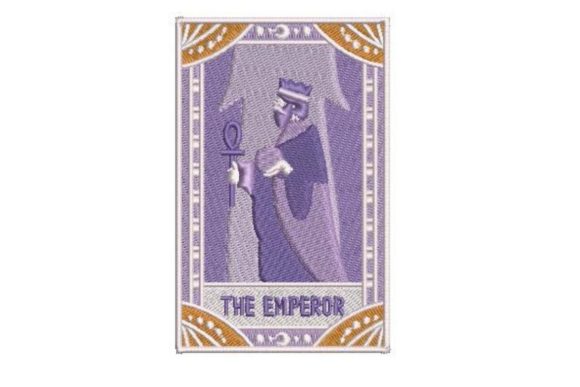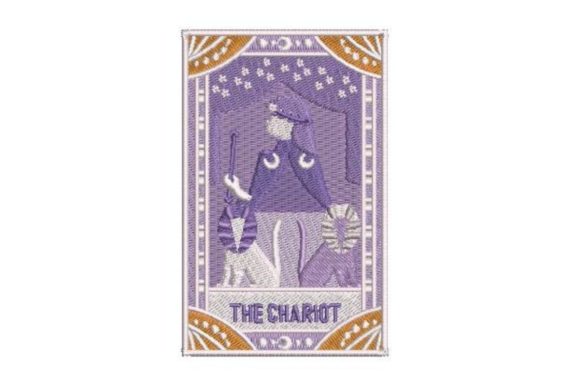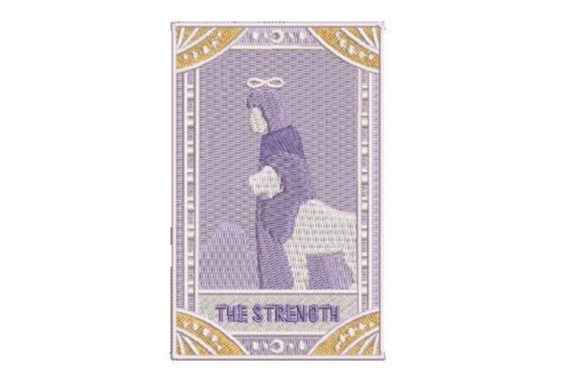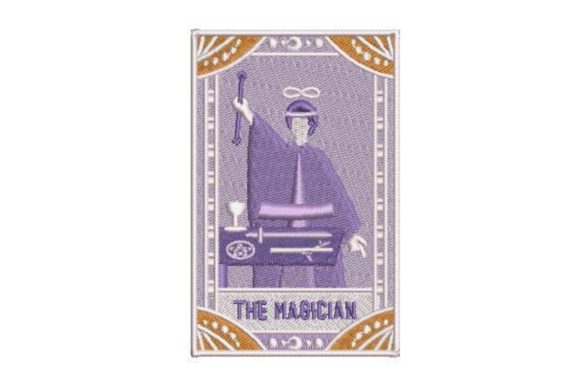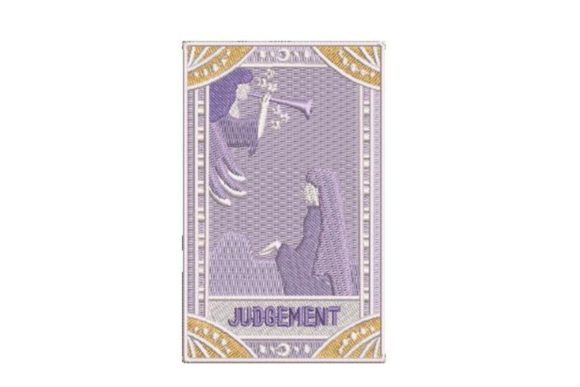
Judgement Tarot Card: A Designer’s Review
As an embroidery designer who has spent years digitizing files for small businesses, I approach every new machine embroidery design with a critical eye. It is not just about whether the artwork looks good on a screen; it is about how it translates to thread, how it holds up on fabric, and ultimately, how it serves the brand identity of the client. Recently, I reviewed the Judgement Tarot Card design, and I want to share my professional assessment for fellow embroidery shops, apparel decorators, and handmade brands considering this piece for their commercial lineup.
The Judgement Tarot Card falls under the Religion category, but its application in modern merchandising extends far beyond traditional spiritual contexts. The product description notes that the card suggests finding comfort in sharing struggles within a group environment. This thematic element of community and renewal offers a unique narrative for brands that value connection, transparency, and human-centric values. When stitched onto your favorite piece of cloth, this design does more than decorate; it inspires conversation.
First Impressions and Visual Personality
Upon initial inspection, the Judgement Tarot Card exudes a sense of classic elegance mixed with mystical intrigue. For a boutique or creative studio, this aesthetic can signal a premium, thoughtful approach to branding. It is not overly playful or rustic; rather, it feels intentional and decorative. The imagery associated with Judgement typically involves bold lines and symbolic figures, which can translate beautifully into embroidery if the digitization respects the balance between detail and stitch efficiency.
For Etsy sellers and crafters, the visual personality of this design offers a distinct advantage. In a market saturated with generic motivational quotes, a tarot-inspired graphic stands out. It appeals to customers looking for meaningful, handmade product additions that reflect their personal interests or spiritual journeys. However, the key to success lies in execution. The design must maintain clarity without becoming a tangled mess of threads, especially when scaled down for smaller applications.
Real-World Business Applications
When evaluating a digital embroidery file for business use, I always consider versatility. How does the Judgement Tarot Card perform across different merchandise types? Here is where this design shines for small business owners:
- Embroidered Patches: This is perhaps the strongest use case. A patch allows the customer to apply the design to jackets, bags, or hats later. The symbolic nature of the Judgement card makes it an ideal collectible item for niche communities.
- Tote Bag Design: Canvas totes are a staple for bakeries, florists, and bookshops. Placing this design centrally on a tote creates a striking statement piece that aligns with the "group environment" theme mentioned in the description, encouraging community engagement.
- Custom Apparel and Aprons: For cafes and creative studios, staff uniforms are walking billboards. An apron embroidery featuring this design can add a touch of artistic flair to a uniform, distinguishing your staff from competitors. It suggests a brand that cares about depth and character.
- Cap Embroidery: While challenging due to curvature, a simplified version of this design could work exceptionally well on the side panel of a cap, offering a subtle nod to the brand’s aesthetic without overwhelming the viewer.
These applications transform the design from a simple image into a versatile asset for small business merch. Whether used as a customer gift, event merch, or a premium add-on, the Judgement Tarot Card adds perceived value to the finished product.
Technical Considerations and Placement Strategy
While the artistic merit is high, practical embroidery requires technical precision. There are specific scenarios where you must use the Judgement Tarot Card carefully. Small patch sizes and cap fronts are notorious for distorting detailed designs. If the original artwork contains tiny lettering or intricate outlines, these may get lost or cause puckering if the stitch density is too high.
I recommend testing the design on real fabric before committing to a large production run. Textured fabric, such as heavy canvas or terry cloth, can swallow fine details. Conversely, dark uniforms may require careful selection of thread colors to ensure the design pops. High contrast is essential for recognition. If the design relies on subtle shading, consider simplifying the color palette to three or four main threads to maintain clarity and reduce production time.
Another critical factor is the hoop size. Ensure that the design fits comfortably within your standard hoop dimensions without requiring excessive re-hooping, which can lead to misalignment. For items that need frequent washing, such as work shirts or aprons, verify that the stabilizer used is appropriate for the fabric weight. A cut-away stabilizer is often safer for garments that will undergo rigorous laundering, ensuring the design remains intact and professional-looking over time.
Impact on Brand Identity and Customer Trust
Incorporating the Judgement Tarot Card into your product line affects more than just aesthetics; it influences brand identity. For a local business or handmade brand, using symbolic, meaningful imagery builds a narrative. It signals to customers that your brand is thoughtful and culturally aware. This can enhance customer trust and recognition, as buyers often connect emotionally with designs that reflect their values or interests.
Visual consistency is key. If your brand is modern and minimalist, ensure this design is integrated in a way that complements your existing design assets. Perhaps use it as an accent rather than a primary logo. For boutiques focusing on spirituality or wellness, this design can serve as a cornerstone of your visual language, reinforcing your niche expertise. When customers see a cohesive look across your custom apparel, packaging accents, and social media printable mockups, it reinforces professionalism and reliability.
Practical Designer Notes for Production
Before you load this file into your machine, follow these steps to ensure a high-quality commercial embroidery result:
- Test in Black and White: Remove color variables initially to check if the shape and structure of the design hold up. If it looks muddy in monochrome, it will likely look cluttered in color.
- Check Scale: Verify if the design works at the intended small patch size. Zoom in to inspect spacing between elements. Tight spaces can lead to thread breaks or bird nests.
- Review Thread Contrast: Select thread colors that offer sufficient contrast against your base fabric. This is crucial for visibility and impact.
- Confirm Licensing: Always confirm commercial licensing terms before using any embroidery file for business purposes. Ensure you have the right to sell products made with this design.
- Create a Mockup: Use a digital mockup to show clients or stakeholders how the design will look on the final product. This helps manage expectations and secure approval before stitching begins.
In conclusion, the Judgement Tarot Card is a compelling addition to any embroidery designer’s library, particularly for those serving niche markets in the Religion and spirituality sectors. Its potential for creating meaningful, high-value merchandise is significant, provided it is executed with technical care. By understanding its visual personality, respecting its technical limitations, and strategically applying it to the right products, small business owners can leverage this design to enhance their brand identity and engage their customers on a deeper level. Always check the specific stitch count and file format details provided with the purchase, as these will dictate your production workflow. With the right approach, this design can become a standout element in your finished product lineup.