Flower Gimp Applique: A Designer’s Review
As a designer who spends more time staring at stitch maps than I do sleeping, I have learned that not every machine embroidery design is created equal. Some are flashy but fragile; others are simple but lack character. When I first loaded the Flower Gimp Applique into my digitizing software, I was looking for something that could bridge the gap between modern minimalism and traditional charm. What I found was a versatile asset that holds up surprisingly well under scrutiny, provided you understand its strengths and limitations.
This review is not just about aesthetics. It is about how this applique design performs when the needle hits the fabric, how it translates to a finished product, and whether it deserves a spot in your commercial library. If you are an Etsy seller, a boutique owner, or a hobbyist looking to elevate your handmade product lineup, here is my practical assessment of using this design in real-world scenarios.
First Impressions: Modern Simplicity with Texture
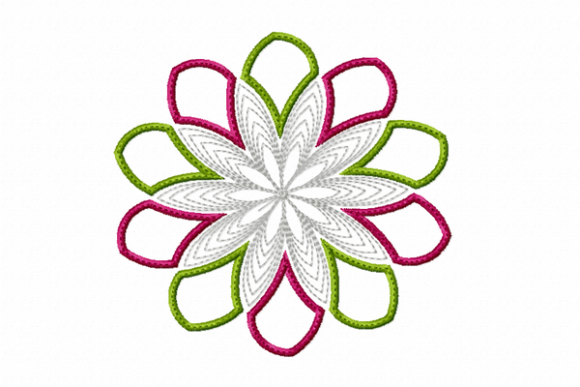
The immediate appeal of Flower Gimp Applique lies in its clean lines. In a market saturated with overly complex floral motifs, this design offers a breath of fresh air. The layout suggests a contemporary mood, making it ideal for brands that want to appear approachable yet polished. The visual personality is soft but structured, relying on the interplay between the fabric patch and the surrounding stitches rather than dense fill areas alone.
For those working in the Wedding Flowers niche or creating romantic Embroidery pieces, this design fits naturally. It does not scream for attention; instead, it invites a closer look. The shape is organic, avoiding rigid symmetry, which gives it a hand-drawn feel even though it is machine-made. This is crucial for custom apparel where customers often seek a unique, artisanal touch rather than a mass-produced look.
Real-World Application: The Tote Bag Test
To truly evaluate a design, you must imagine it on a product. I recently considered this motif for a line of canvas tote bag design concepts. Canvas is a forgiving medium, but it requires designs that are bold enough to stand out against the textured weave. The Flower Gimp Applique worked exceptionally well here. The applique technique allows the natural texture of the canvas to show through the flower petals if you choose a complementary fabric, adding depth that a standard satin stitch cannot achieve.
Beyond tote bags, I see strong potential for sweatshirt embroidery. A oversized crewneck with this floral element placed off-center on the chest creates a trendy, streetwear-inspired aesthetic. The design scales well, maintaining its integrity without becoming a blob of thread. For baby embroidery projects, such as bibs or onesies, the soft edges of the applique are gentle and visually appealing to parents looking for subtle, sweet details rather than loud graphics.
Versatility Across Product Lines
The flexibility of this embroidery file extends to various design assets for small businesses. Consider these applications:
- Embroidered patch production: The clear boundaries make it easy to cut and finish as a standalone patch.
- Holiday embroidery: Swap the fabric colors for seasonal tones to create instant holiday decor.
- Personalized gift items: Add monograms within the negative space for a custom touch.
- Kitchen towels and aprons: The design adds a boutique feel to everyday household items.
For commercial embroidery clients, consistency is key. This design offers a reliable look that can be replicated across different batches of products, helping maintain brand consistency for small shop product lines.
Technical Considerations and Fabric Choices
While the design is robust, it is not immune to poor execution. The success of any applique depends heavily on your choice of stabilizer and thread colors. Because this design relies on the contrast between the patch and the stitching, using low-quality thread or mismatched colors can ruin the visual clarity. I recommend testing high-sheen rayon threads for a vibrant look or matte polyester for a subdued, vintage vibe.
Fabric texture plays a significant role. On smooth cottons or linens, the Flower Gimp Applique shines. However, on highly textured fabrics like heavy wool or terry cloth, the finer details might get lost. If you are working with stretchy fabric, such as jersey knits for t-shirts, ensure you use a cut-away stabilizer to prevent puckering. The stitch density appears moderate, which is good for wearability, but always test on scrap fabric first.
Be cautious with dark fabric backgrounds. If your applique fabric is light, ensure your tack-down stitches are color-matched perfectly to avoid visible halos. Conversely, if you are stitching on dark material, consider using a contrasting thread for the satin stitch border to make the flower pop. This attention to detail enhances customer trust and perceived value.
Navigating Limitations: Hoop Size and Detail
One common mistake designers make is ignoring hoop size constraints. While this design is versatile, shrinking it too much for tiny items like baby socks or delicate lace collars can cause the stitches to merge, losing the definition of the petals. Always check the minimum recommended size provided by the digitizer. If such details are not explicitly provided in the product description, assume a standard minimum and test rigorously.
Additionally, curved surfaces like caps require careful hooping. The flat nature of the applique might distort slightly on the curved panel of a baseball cap. I advise using a cap frame and ensuring the fabric is taut but not overstretched. For digital embroidery file users creating printable mockup previews, remember that digital representations often look cleaner than stitched reality. Always photograph your actual stitched samples for accurate marketing materials.
Enhancing Value and Buyer Engagement
From a business perspective, the Flower Gimp Applique contributes to higher product value. Customers are increasingly drawn to items that look handmade and thoughtful. This design supports that narrative. When used in personalized gift contexts, it elevates the item from a commodity to a keepsake. For craft business owners, this means you can command a higher price point due to the perceived craftsmanship.
Moreover, the design’s adaptability aids in buyer engagement. You can showcase the same design on multiple products in your online store, demonstrating versatility. This helps potential buyers visualize the item in their own lives, whether as a wedding gift, a nursery accent, or a stylish accessory. The professional finish of a well-executed applique signals quality, reinforcing your reputation as a skilled maker.
Final Designer Notes
Before integrating Flower Gimp Applique into your workflow, keep these practical tips in mind:
- Test on scrap fabric: Never skip this step. Check for puckering and registration accuracy.
- Check thread contrast: Ensure your border stitches complement, not clash with, the applique fabric.
- Review stitch density: Adjust tension if necessary for your specific machine and fabric combination.
- Confirm licensing: If you plan to sell finished items, verify the license terms included with the digital embroidery file.
- Mockup in black and white: This helps you see the design’s structure without the distraction of color.
In conclusion, Flower Gimp Applique is a solid addition to any designer’s library. It balances modern aesthetics with traditional techniques, offering a reliable solution for a wide range of embroidery project types. Whether you are creating custom apparel, home decor, or gifts, this design provides the flexibility and visual appeal needed to succeed in today’s competitive handmade market. Just remember: the design is only as good as the execution. Take your time, choose your materials wisely, and let this floral motif bring a fresh, modern touch to your creations.