Ears of Corn: A Designer’s Review for Merch
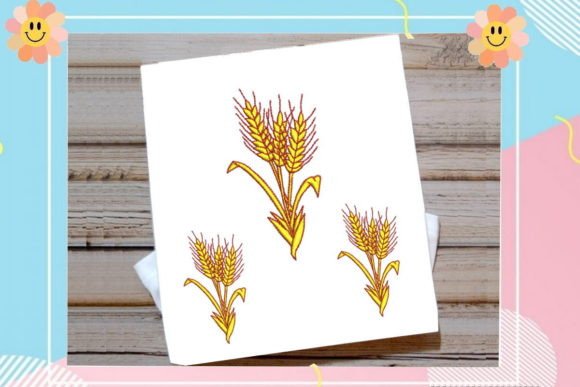
As an embroidery designer who has spent years digitizing and reviewing thousands of files for commercial use, I approach every new machine embroidery design with a critical eye. It is not just about whether a motif looks cute on a screen; it is about how it performs on fabric, how it holds up in the wash, and most importantly, how it serves a brand. Recently, I evaluated Ears of Corn, a high-quality embroidery design categorized under Farm themes. My goal was to determine if this asset could elevate small business merchandise, from branded patches to staff uniforms.
The first impression of Ears of Corn is undeniably warm. The description promises to make any fabric look "sweet and beautiful," and visually, it delivers on that rustic charm. For businesses in the agricultural sector, bakeries using corn-based products, or boutiques with a farmhouse aesthetic, this design offers an immediate visual connection to nature and wholesomeness. However, charm alone does not sell merch. We need to dig into the technical execution and versatility.
Visual Personality and Brand Alignment
When integrating a new graphic into your brand identity, consistency is key. Ears of Corn leans heavily into a friendly, organic vibe. It is not starkly modern or minimalist; rather, it feels handmade and approachable. This makes it an excellent choice for brands that want to project trustworthiness and community values. If you run a local florist shop, a farm-to-table café, or an Etsy store selling natural goods, this design acts as a subtle signal of your values.
The design works particularly well for small business merch that aims to feel personal rather than corporate. Unlike rigid geometric logos, the organic curves of corn ears soften the look of apparel. When placed on a tote bag or an apron, it suggests care and attention to detail. For creative studios or craft businesses, using such a motif can enhance the perceived value of the finished product, making it feel like a curated item rather than mass-produced inventory.
Real-World Applications for Commercial Embroidery
I tested the potential of Ears of Corn across several common commercial applications. Here is where this digital embroidery file shines:
- Embroidered Patches: This is perhaps the strongest use case. A corn motif translates beautifully into a patch format. You can iron these onto denim jackets, canvas bags, or even use them as sealing labels for packaging. The distinct shape allows for clean edges, which is crucial for patch durability.
- Apron Embroidery: For bakeries or cafes, staff aprons are walking billboards. Placing Ears of Corn on the chest pocket or lower hem adds a touch of whimsy without overwhelming the uniform. It reinforces the theme of fresh, natural ingredients.
- Tote Bag Design: Canvas totes are staples for retail shops. The design’s inherent "sweet" aesthetic pairs well with the texture of cotton canvas. It serves as a stylish alternative to printed graphics, offering a tactile experience that customers appreciate.
- Cap Embroidery: While tricky due to curvature, a simplified version of this design can work on the side panel of a baseball cap. It offers a unique twist on standard logo placement, appealing to customers looking for subtle branding.
For custom apparel lines, this design can be used as a sleeve detail or a back-yoke accent. It breaks up large blocks of color on work shirts, adding visual interest without requiring a full-back print. This is especially effective for event merch or seasonal promotions where you want to offer something slightly different from your standard logo gear.
Technical Considerations and Stitch Density
While the aesthetic appeal is strong, we must address the technical realities of production. The description notes that this is a high-quality design, but "high quality" in embroidery means different things depending on the application. Here are my professional notes for ensuring success:
- Check Stitch Density: Corn husks and kernels involve overlapping layers. If the stitch density is too high, the fabric may pucker, especially on lighter materials like t-shirts. Always test on a scrap piece of your actual production fabric before running a full batch.
- Fabric Texture Matters: This design will look crisp on tight-weave fabrics like twill or denim. On textured fabrics like terrycloth or loose knits, fine details might get lost. Ensure your stabilizer choice matches the fabric weight to prevent distortion.
- Thread Colors and Contrast: To maintain the "sweet and beautiful" look, thread selection is vital. High-contrast threads can make the design pop, but for a more premium, understated look, consider tonal variations. Test your thread colors against both light and dark garments to ensure visibility.
- Hoop Size Constraints: Verify the required hoop size before purchasing. If the design is large, it may not fit on standard cap frames or small pocket areas. Knowing the dimensions helps you plan your layout efficiently.
One critical warning: avoid using this design on items that require industrial laundering unless you have confirmed its durability. Detailed outlines and dense fills can sometimes loosen over time if not properly secured with adequate stabilizer and backing.
Enhancing Customer Trust and Engagement
Why go through the trouble of embroidery instead of printing? The answer lies in perceived value. An embroidered patch or direct embroidery signals longevity and quality. When a customer receives a tote bag or shirt with Ears of Corn stitched into it, they perceive the item as a keepsake. This increases customer retention and brand loyalty.
Furthermore, using consistent design assets like this across your product line creates visual cohesion. If your website, packaging, and merchandise all share this rustic, farm-inspired aesthetic, you build a stronger brand narrative. Customers are more likely to trust a brand that presents itself professionally and consistently. A well-executed embroidery job reflects positively on your business standards.
Practical Steps Before Production
Before you integrate Ears of Corn into your next collection, follow these steps to mitigate risk:
- Create a Printable Mockup: Use digital tools to visualize the design on various products. This helps you decide on placement and scale without wasting thread and fabric.
- Test in Black and White: Remove color to check the structural integrity of the design. If it looks muddy or unclear in grayscale, it may lack sufficient contrast in real life.
- Verify Commercial Licensing: Always confirm the license terms of the digital embroidery file. Ensure you have the right to use it for physical goods sold for profit. Never assume a file is free for commercial use unless explicitly stated.
- Compare with Other Assets: Place Ears of Corn beside your existing logo and other graphics. Does it complement them, or does it clash? Visual harmony is essential for a professional presentation.
In conclusion, Ears of Corn is a versatile and charming addition to the Farm category of Embroidery designs. It offers significant potential for small business owners looking to add a touch of rustic elegance to their merchandise. By paying attention to technical details like stabilizer choice and stitch density, you can transform this simple motif into a powerful tool for brand building. Whether used on aprons, patches, or tote bags, it has the capacity to make your products stand out in a crowded market. Just remember to test thoroughly and respect the limitations of the medium to ensure every stitch counts toward your business success.